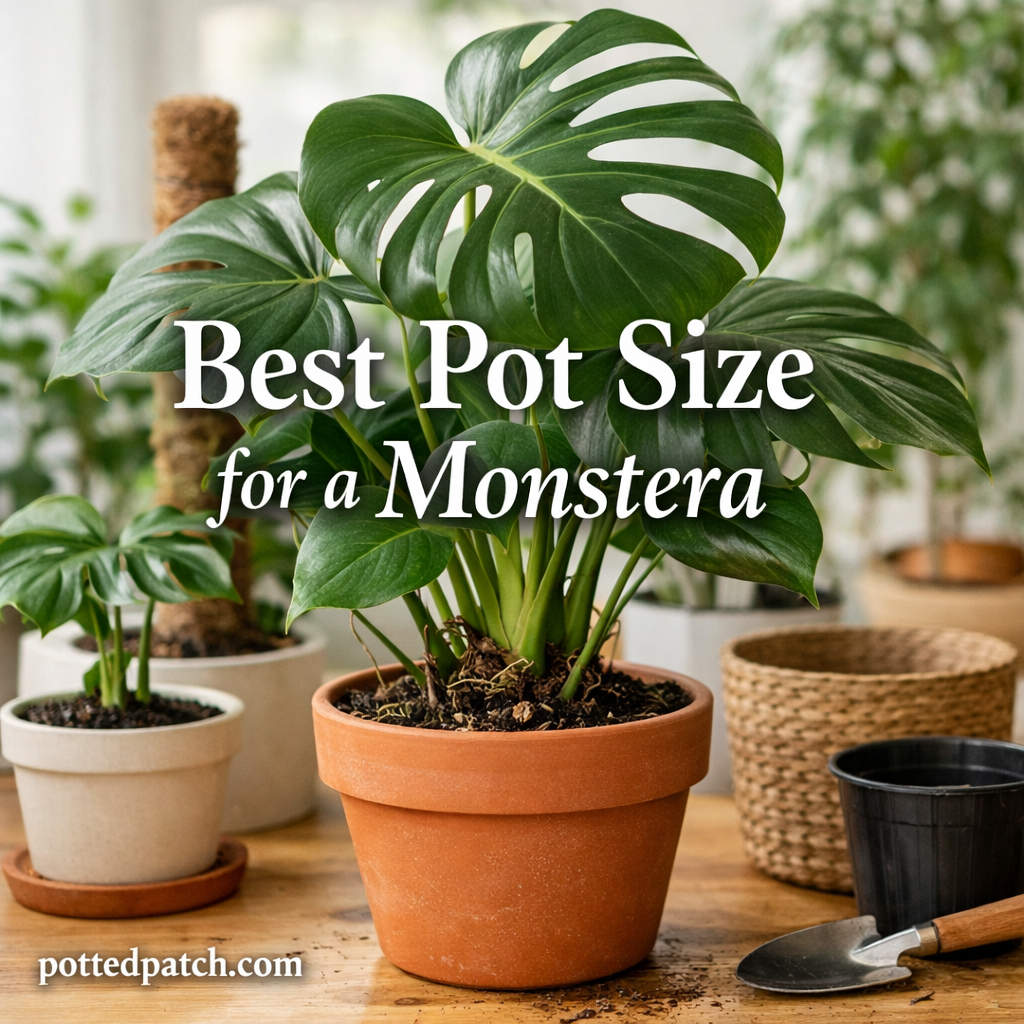
Choosing the right pot size for a Monstera is one of the most important decisions you’ll make for its long-term health. Too small, and growth stalls. Too large, and you risk root rot, soggy soil, and slow development. The goal is balance: enough room for roots to expand, without overwhelming the plant.
This guide breaks down the best pot sizes for Monstera plants at every stage, how to know when it’s time to repot, and common container mistakes to avoid.
Why Pot Size Matters for Monstera Plants
Monsteras are vigorous growers with thick, fast-developing root systems. In nature, they climb trees and spread freely. In containers, however, their growth is entirely controlled by pot size and drainage.
The right pot size helps:
- Encourage steady leaf growth
- Prevent water retention and root rot
- Support aerial root development
- Keep the plant stable as it grows taller
An incorrect pot size often leads to yellowing leaves, drooping stems, or slowed growth—even if everything else seems right.
Best Pot Size Based on Monstera Size
Small Monstera (6–12 inches tall)
Recommended pot size: 6–8 inches in diameter
Young Monsteras don’t need much space. A pot that’s just slightly larger than the root ball encourages healthy root development without excess moisture.
Signs this size works well:
- New leaves appear regularly
- Soil dries out evenly
- Roots don’t circle tightly at the bottom
Avoid starting a small Monstera in a large pot—it often leads to soggy soil and weak root growth.
Medium Monstera (1–3 feet tall)
Recommended pot size: 8–10 inches in diameter
At this stage, Monsteras begin to grow faster and produce larger leaves. Roots become thicker and more aggressive.
This is also when:
- Aerial roots start appearing
- The plant may benefit from a moss pole
- Growth becomes more vertical
A pot that’s 1–2 inches wider than the current one is ideal when upgrading.
Large Monstera (3–6 feet tall)
Recommended pot size: 10–14 inches in diameter
Mature Monsteras need more stability than space. At this size, going too large can be just as harmful as staying too small.
Key considerations:
- Use heavier pots (ceramic or terracotta) for stability
- Ensure multiple drainage holes
- Focus on depth as well as width
Many large Monsteras thrive for years in the same pot once they reach this size.
Extra-Large or Floor Monsteras
Recommended pot size: 14–20 inches in diameter
For statement plants or long-term indoor trees, a large, well-draining pot is essential. These plants typically don’t need frequent repotting—only soil refreshes and occasional root pruning.
How to Know When Your Monstera Needs a Bigger Pot
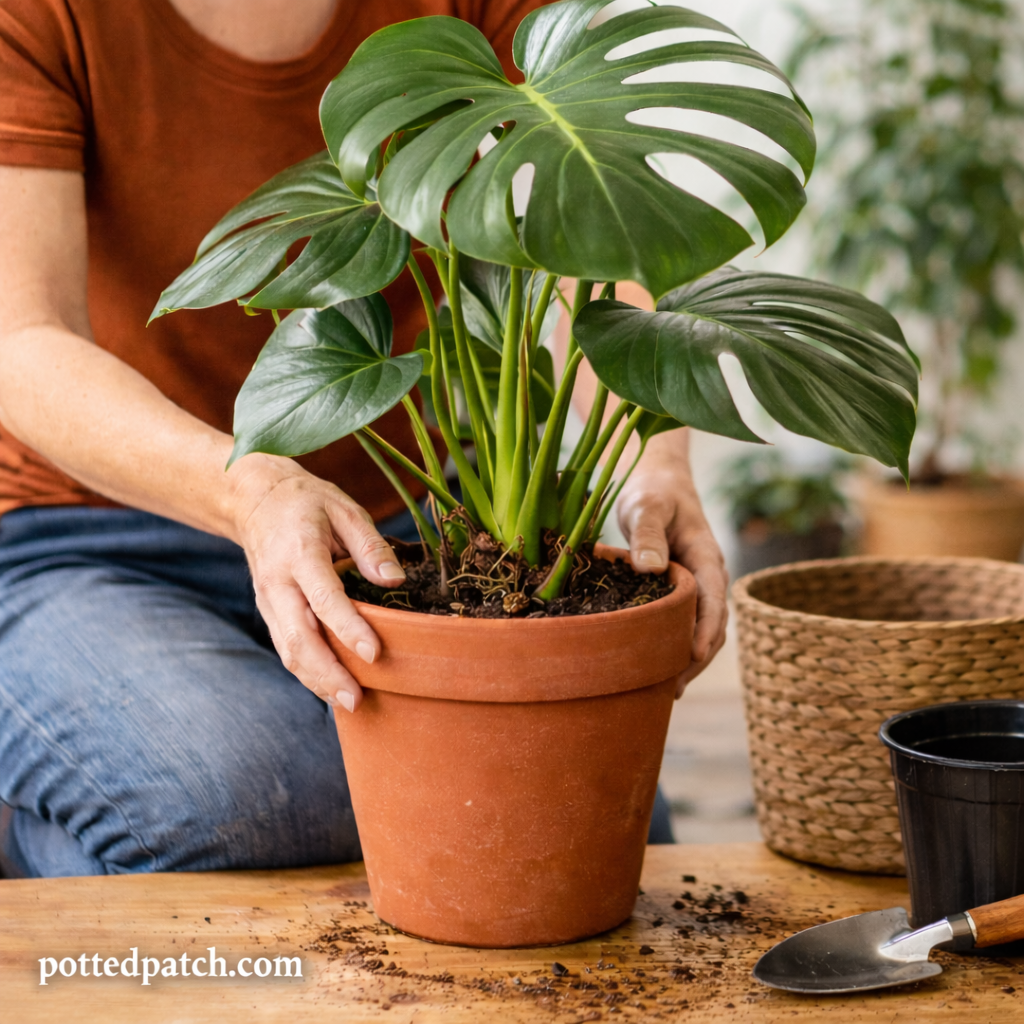
Rather than repotting on a strict schedule, watch for signs your plant has outgrown its container.
Common indicators include:
- Roots growing out of drainage holes
- Soil drying out within 1–2 days
- Stunted or smaller new leaves
- The plant becoming top-heavy or unstable
Most Monsteras need repotting every 1–2 years, depending on growth speed and environment.
How Much Bigger Should the New Pot Be?
The golden rule: increase pot size by 1–2 inches in diameter only.
Why this works:
- Prevents excess moisture retention
- Encourages gradual root expansion
- Reduces transplant shock
Jumping up too many sizes at once often leads to slow growth or root issues.
Pot Depth vs. Pot Width
Monsteras prefer pots that are:
- Slightly deeper than wide
- Heavy enough to anchor tall stems
- Able to support a moss pole
Shallow pots dry too quickly and may tip over. Extra-wide but shallow containers are better suited for trailing plants, not climbers like Monstera.
Best Pot Materials for Monstera
Terracotta Pots
- Breathable and moisture-regulating
- Great for overwaterers
- Dry out faster, requiring more frequent watering
Ceramic or Glazed Pots
- Retain moisture longer
- More decorative
- Must have drainage holes
Plastic Pots
- Lightweight and affordable
- Hold moisture longer
- Best paired with careful watering habits
For large Monsteras, heavier materials help prevent tipping.
Drainage Is More Important Than Size
No matter the pot size, drainage is non-negotiable.
A proper Monstera pot should have:
- At least one large drainage hole
- Free-flowing, chunky soil
- No standing water after watering
If your decorative pot has no drainage, use it as a cachepot with a removable inner nursery pot.
Common Pot Size Mistakes to Avoid
Overpotting
Placing a small Monstera in a large pot leads to:
- Waterlogged soil
- Root rot
- Slow or stalled growth
Underpotting
Keeping a large Monstera in a cramped pot causes:
- Rapid drying
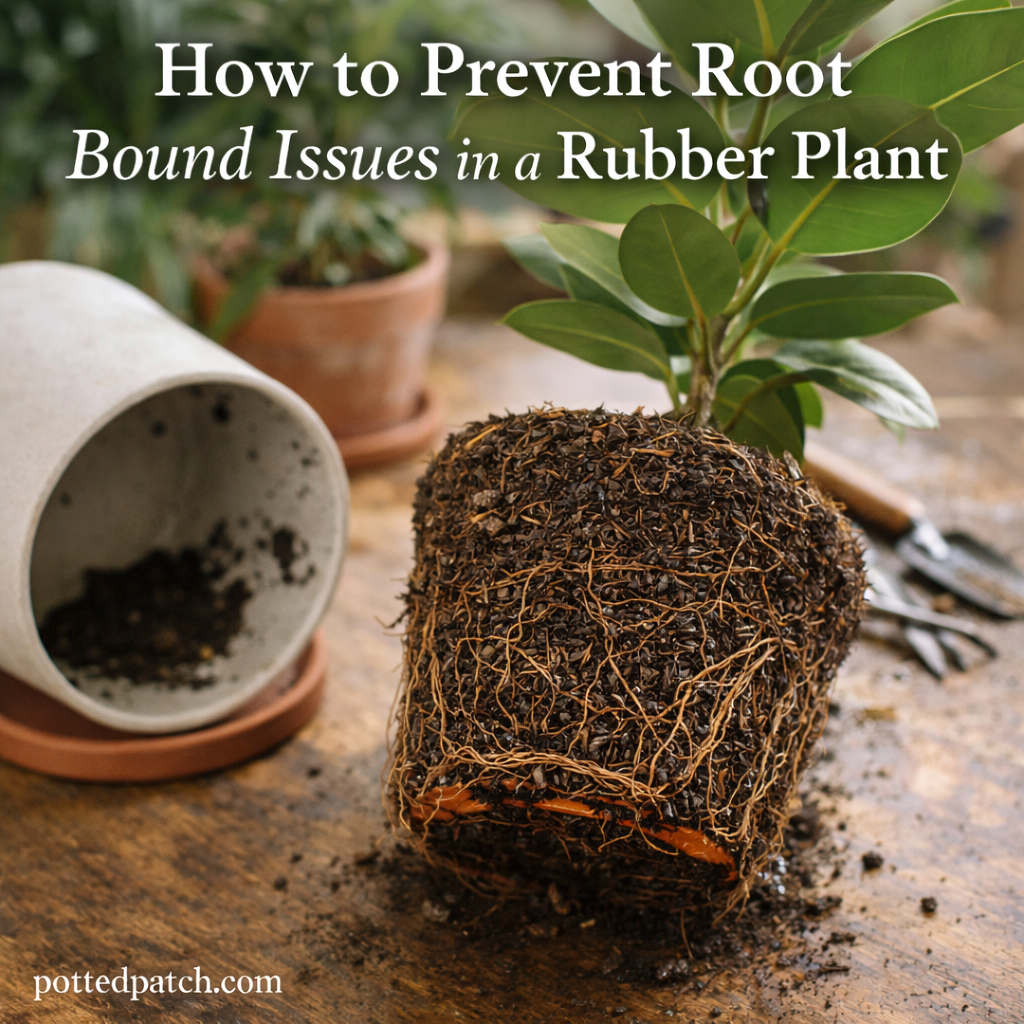
- Root binding
- Leaf size reduction
Ignoring Stability
Tall Monsteras in lightweight pots often tip over or lean, damaging roots and stems.
Repotting Tips for Success
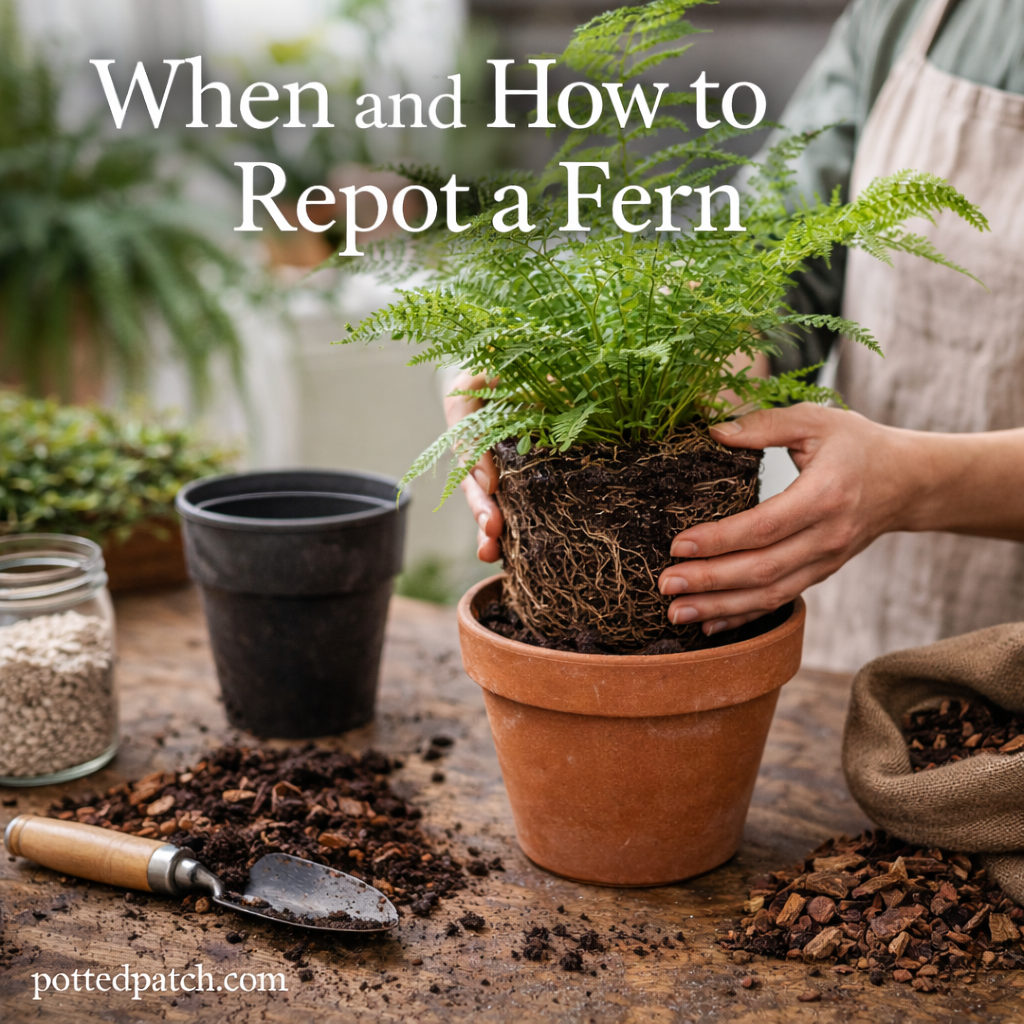
- Repot in spring or early summer when growth is active
- Water lightly after repotting—don’t soak immediately
- Keep the plant out of direct sun for a few days
- Add a moss pole during repotting to avoid root disturbance later
Final Thoughts
The best pot size for a Monstera is one that grows with the plant—not ahead of it. Gradual upgrades, proper drainage, and stable containers lead to larger leaves, stronger stems, and healthier roots over time.
When in doubt, choose a pot that’s just a little bigger than the current one and focus on drainage over size. Your Monstera will reward you with steady, impressive growth for years to come. 🌿