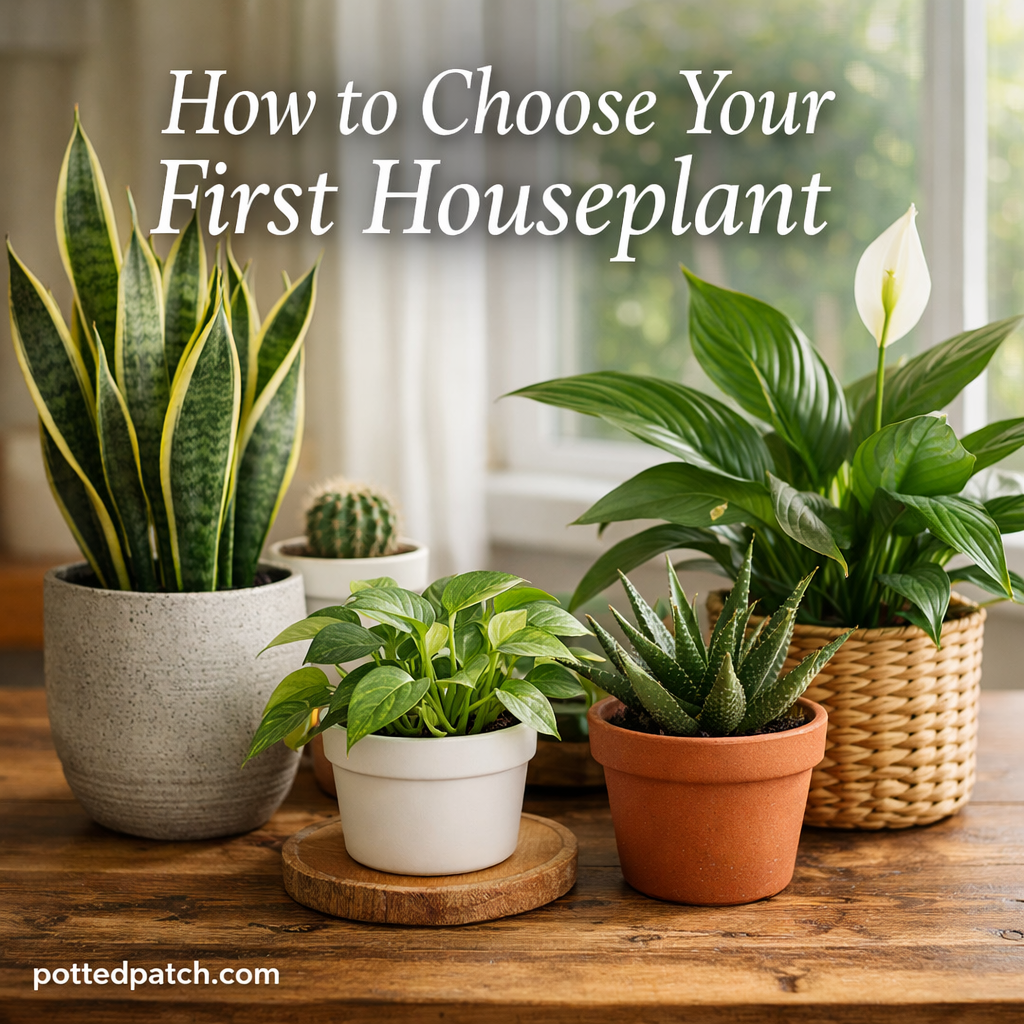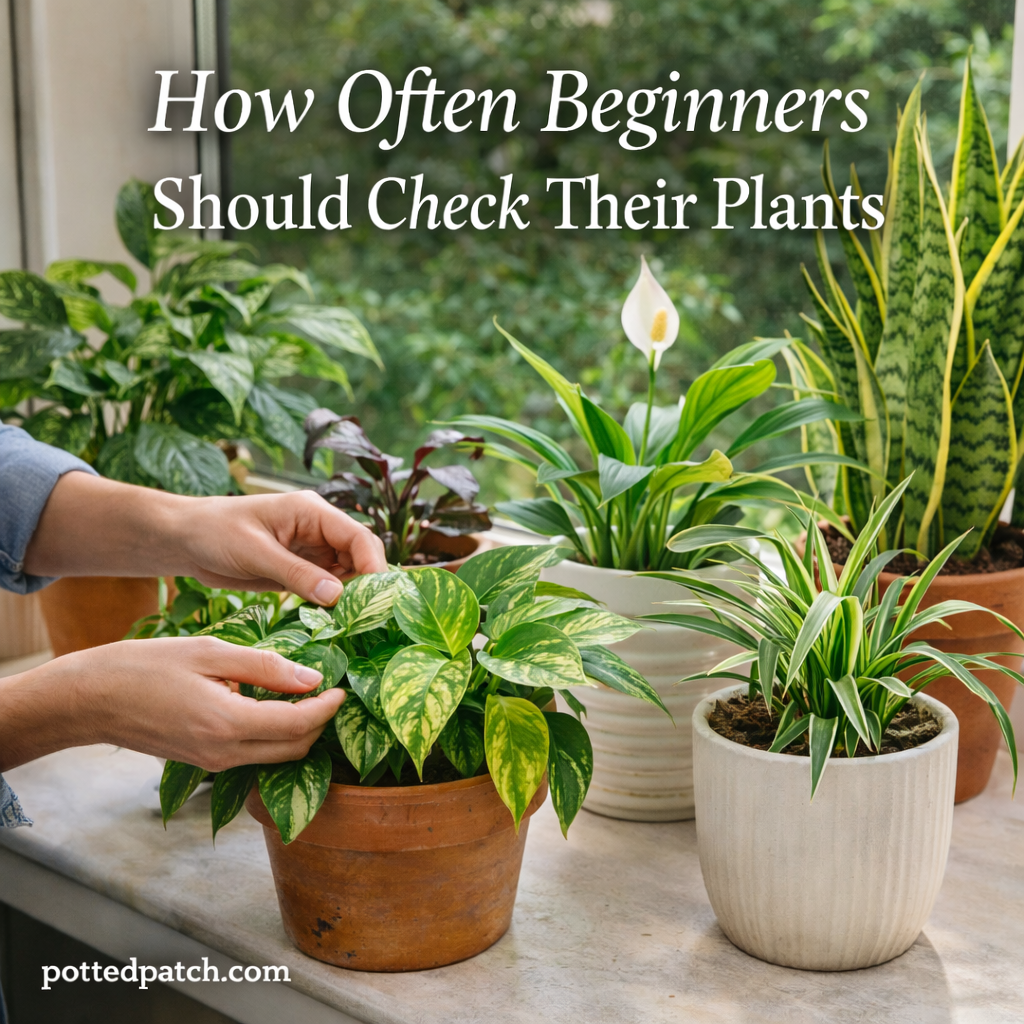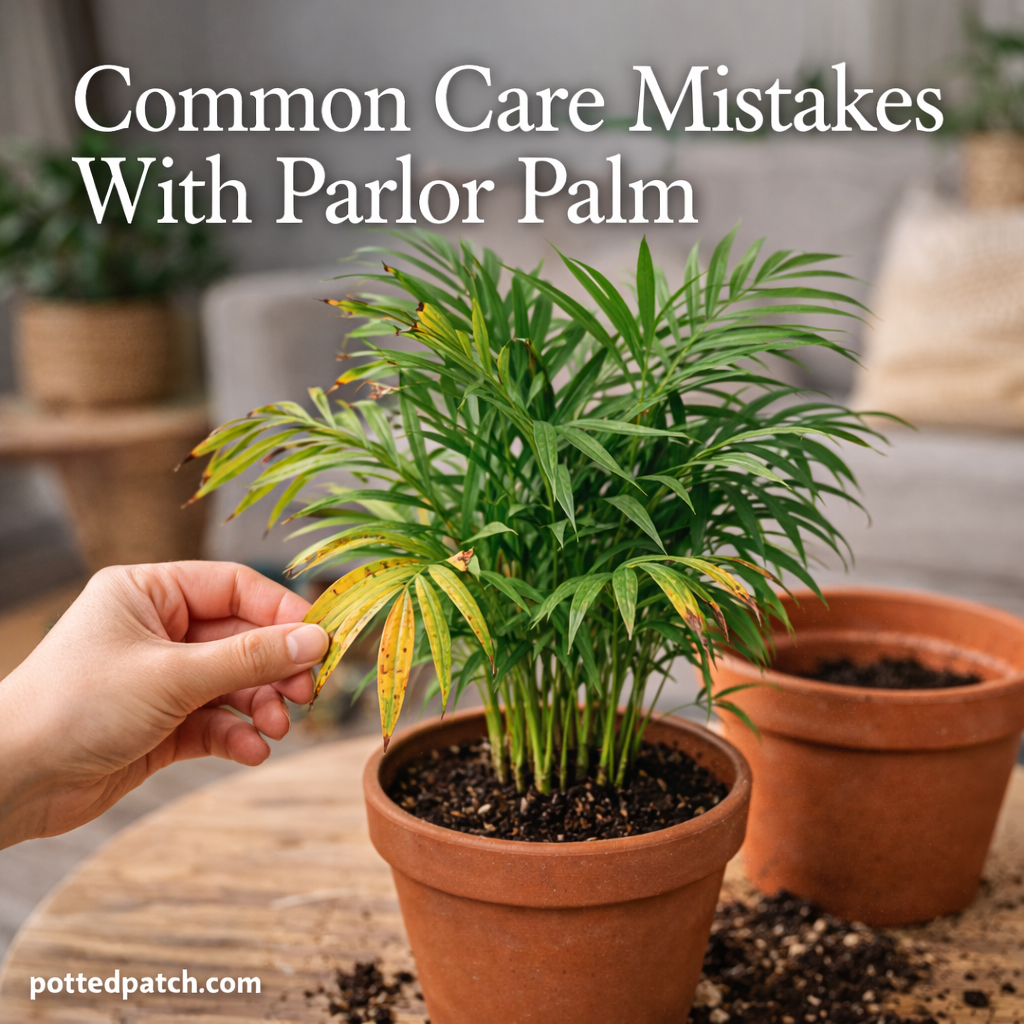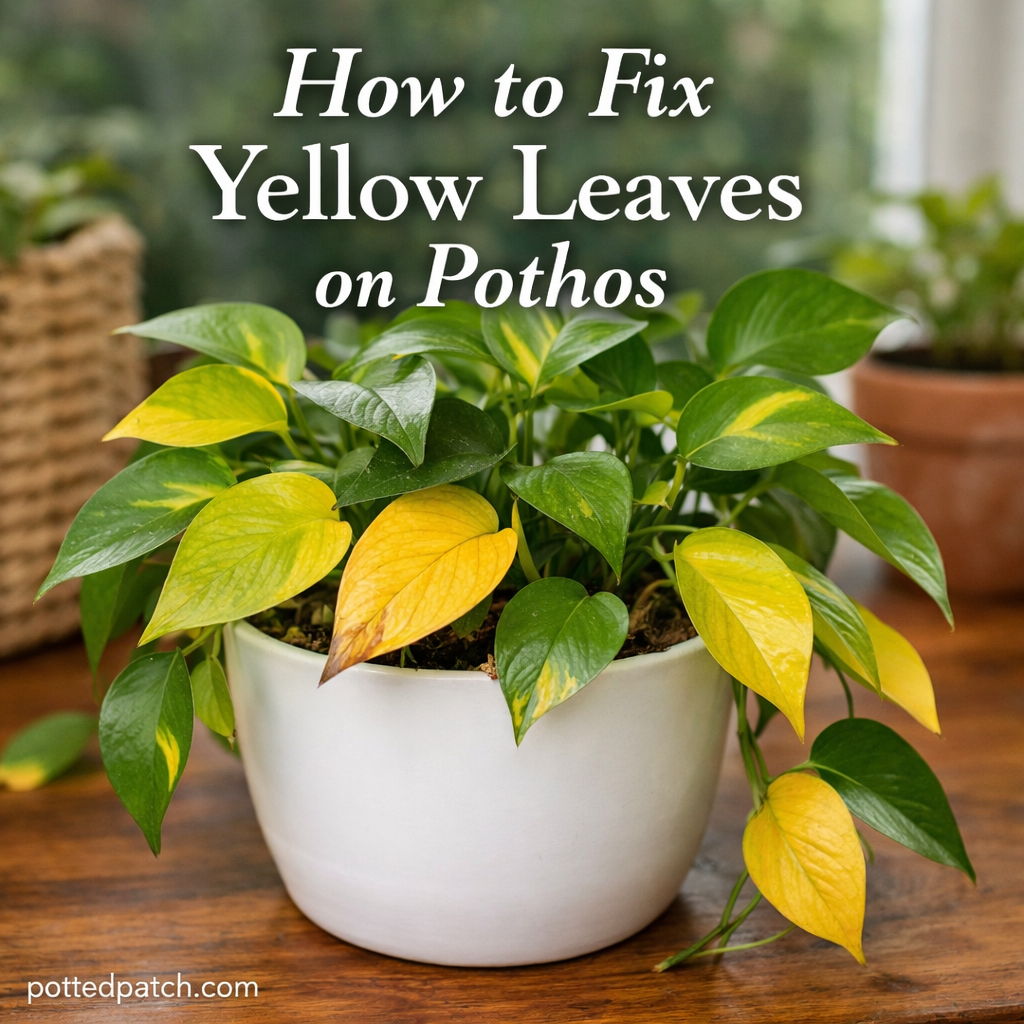
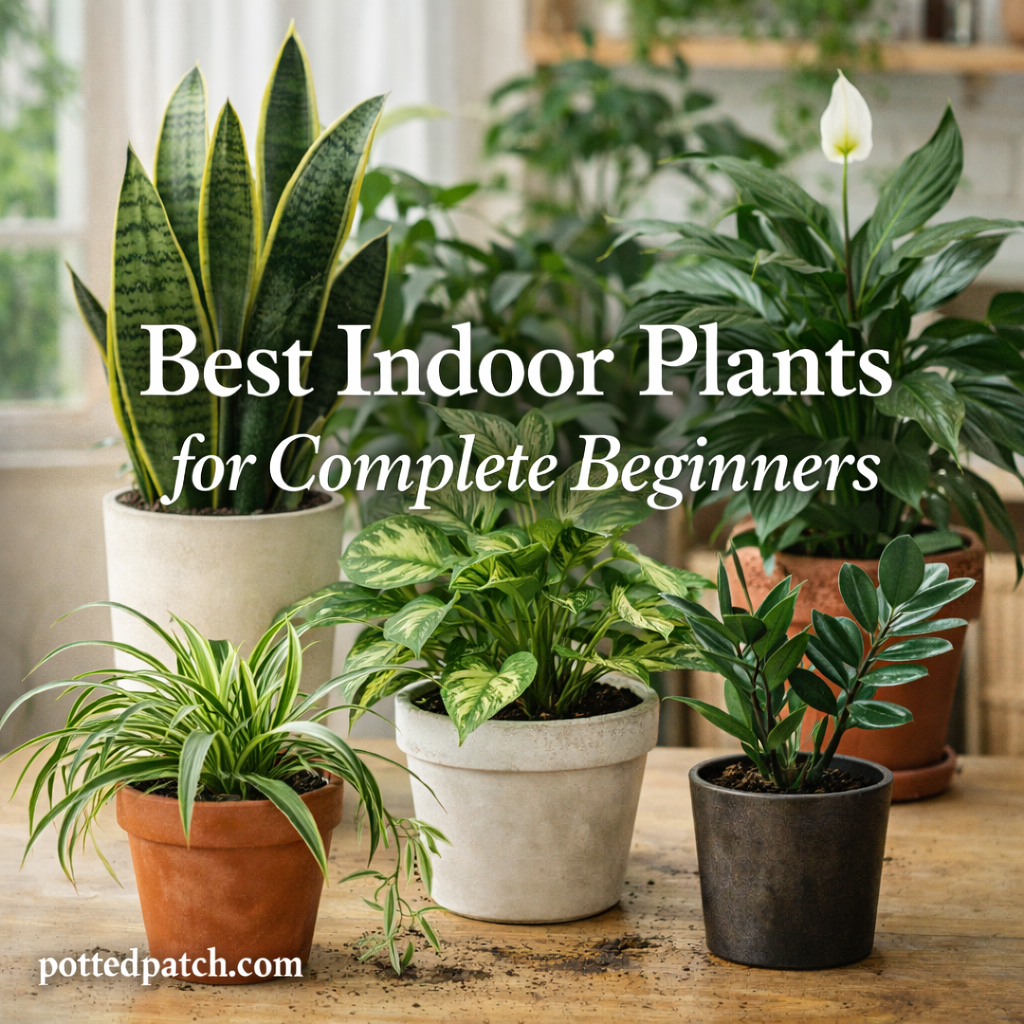
Starting with houseplants can feel intimidating if you’ve never cared for one before. Concerns about overwatering, poor light, or “killing plants” are common—but the truth is, many indoor plants are extremely forgiving. With the right beginner-friendly choices, you can build confidence quickly and enjoy healthy plants with minimal effort.
This guide covers the best indoor plants for complete beginners, why they’re easy to care for, and what makes them ideal for first-time plant owners.
What Makes a Plant Beginner-Friendly?
Not all houseplants are created equal. Beginner plants share a few important traits that make them easier to keep alive.
Good beginner plants typically:
- Tolerate missed waterings
- Adapt to a range of light conditions
- Grow slowly and predictably
- Show clear signs when something is wrong
Plants that demand precise humidity, constant pruning, or perfect light are better saved for later.
Best Indoor Plants for Beginners
Snake Plant (Sansevieria)
Snake plants are often considered the easiest houseplant to grow.
Why it’s beginner-friendly:
- Survives low light and bright light
- Needs watering only every 2–3 weeks
- Handles dry indoor air well
Snake plants are ideal for bedrooms, offices, and forgetful plant owners.
Pothos
Pothos is one of the most forgiving trailing plants you can own.
Why it’s beginner-friendly:
- Thrives in low to medium light
- Clearly droops when it needs water
- Grows steadily without pruning
It’s perfect for shelves, hanging planters, or countertops.
ZZ Plant
The ZZ plant is built for neglect.
Why it’s beginner-friendly:
- Stores water in thick roots
- Tolerates low light extremely well
- Rarely needs attention
If you want a plant you almost can’t kill, this is it.
Spider Plant
Spider plants are classic beginner houseplants for a reason.
Why it’s beginner-friendly:
- Grows well in indirect light
- Recovers quickly from mistakes
- Produces baby plants easily
They’re also great for brightening up kitchens and living rooms.
Peace Lily
Peace lilies are great for beginners who want visual feedback.
Why it’s beginner-friendly:
- Leaves droop dramatically when thirsty
- Adapts well to indoor lighting
- Produces elegant white flowers
As long as you water when it droops, it’s hard to go wrong.
Chinese Evergreen (Aglaonema)
Chinese evergreens are calm, steady growers that handle inconsistency well.
Why it’s beginner-friendly:
- Tolerates low light
- Handles missed waterings
- Requires minimal pruning
They’re excellent for apartments and offices.
Beginner Plants to Avoid (For Now)
Some plants are popular but not beginner-friendly.
Plants beginners often struggle with:
- Fiddle Leaf Fig
- Calathea
- Bonsai trees
- Orchids
These plants have stricter light, watering, or humidity requirements and are better suited once you have more experience.
Basic Care Tips for First-Time Plant Owners
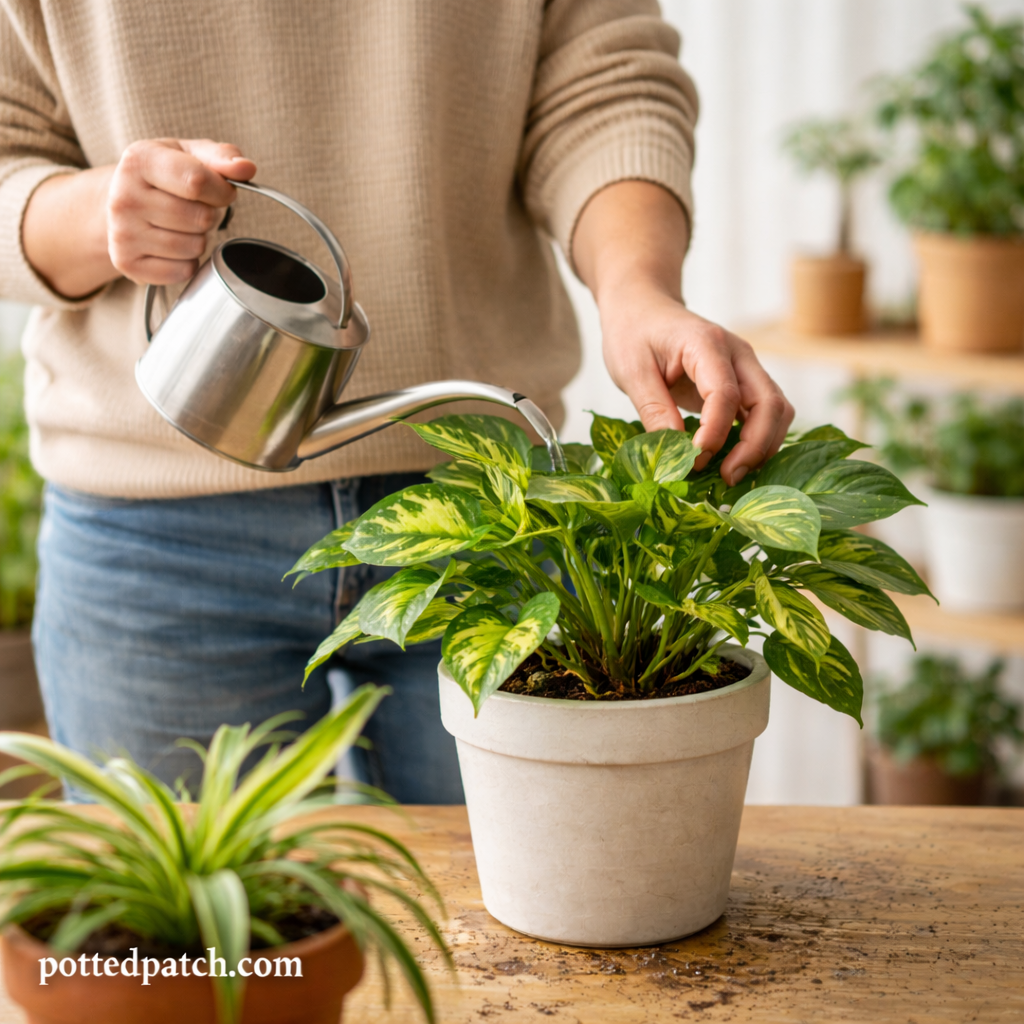
Even easy plants need a little care. These simple habits make a big difference.
Don’t Overwater
Overwatering is the most common beginner mistake. Always let the soil dry partially before watering again.
Choose Pots With Drainage
Drainage holes prevent water from sitting in the soil and causing root rot.
Use Indirect Light
Most beginner plants prefer bright, indirect light rather than direct sun.
Start Small
Smaller plants are easier to manage and recover faster from mistakes.
How Many Plants Should a Beginner Start With?
Starting with one or two plants is ideal. This lets you learn watering patterns, light needs, and growth habits without feeling overwhelmed. Once you feel confident, adding more plants becomes easy—and fun.
Final Thoughts
The best indoor plants for complete beginners are the ones that forgive mistakes and grow steadily without constant attention. Snake plants, pothos, ZZ plants, spider plants, and peace lilies all offer a low-stress way to start your plant journey.
With just a little light, occasional watering, and patience, these plants can thrive for years—and help you build confidence as a plant parent. 🌿