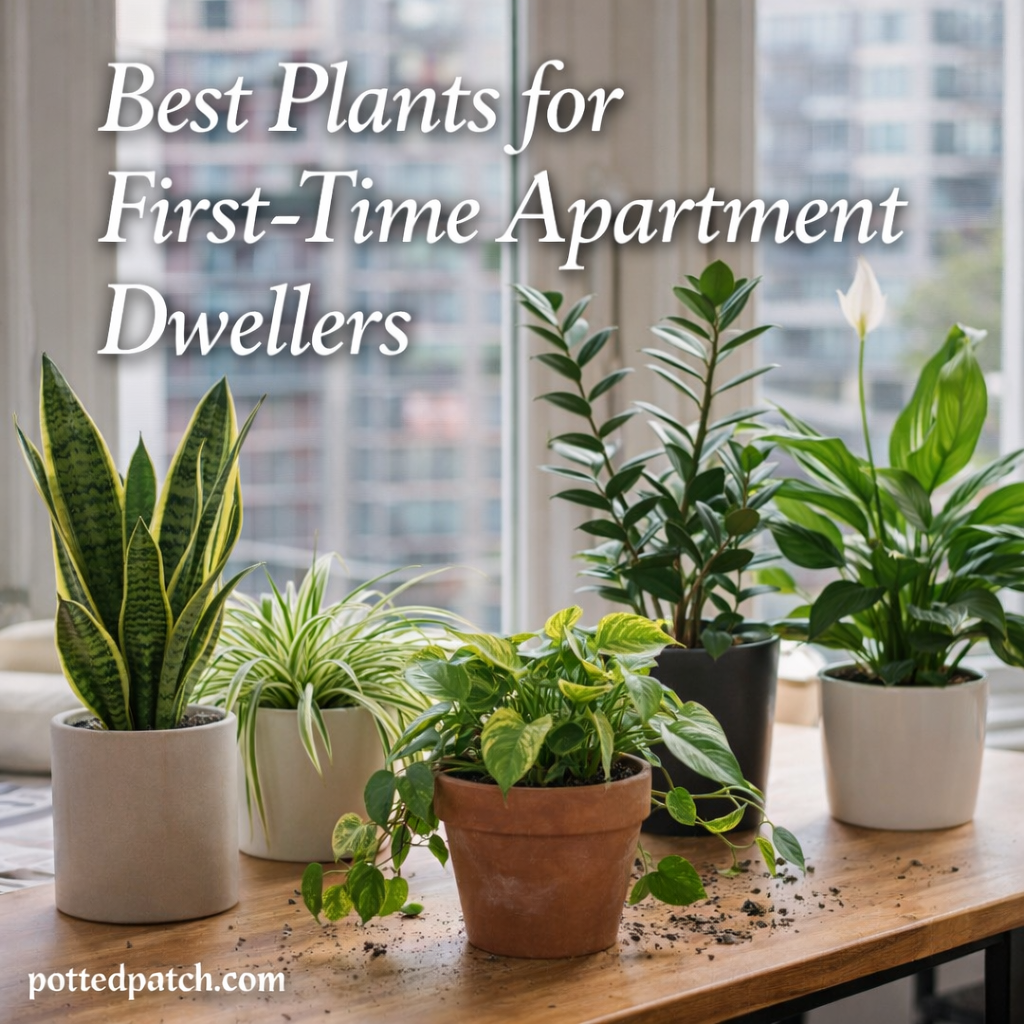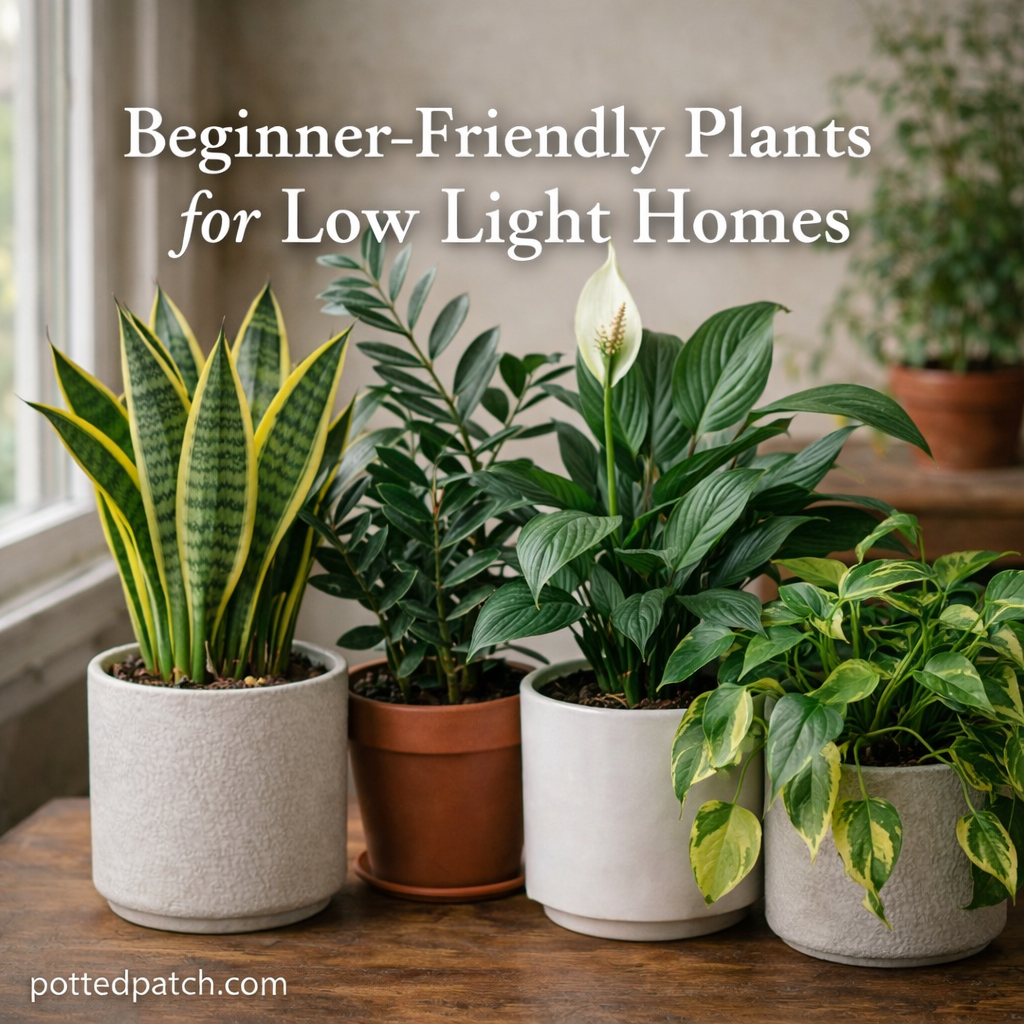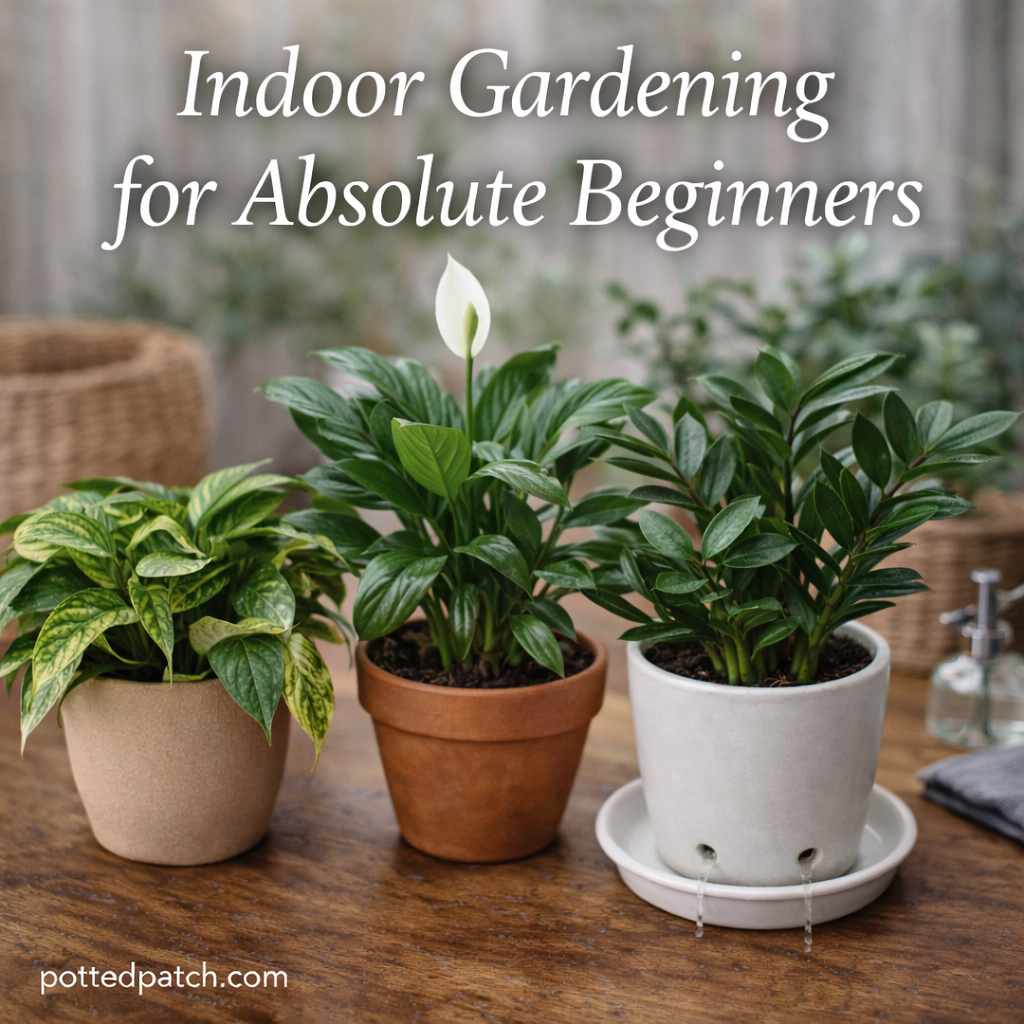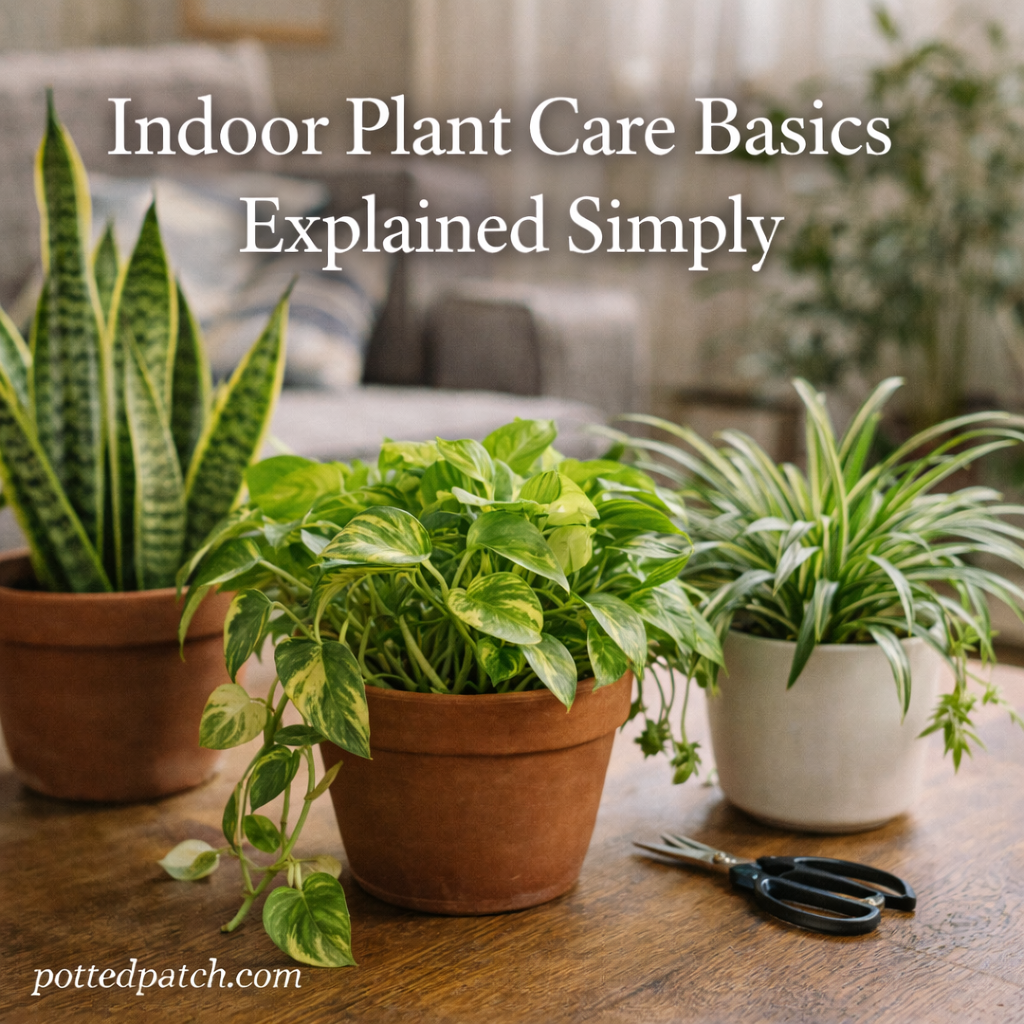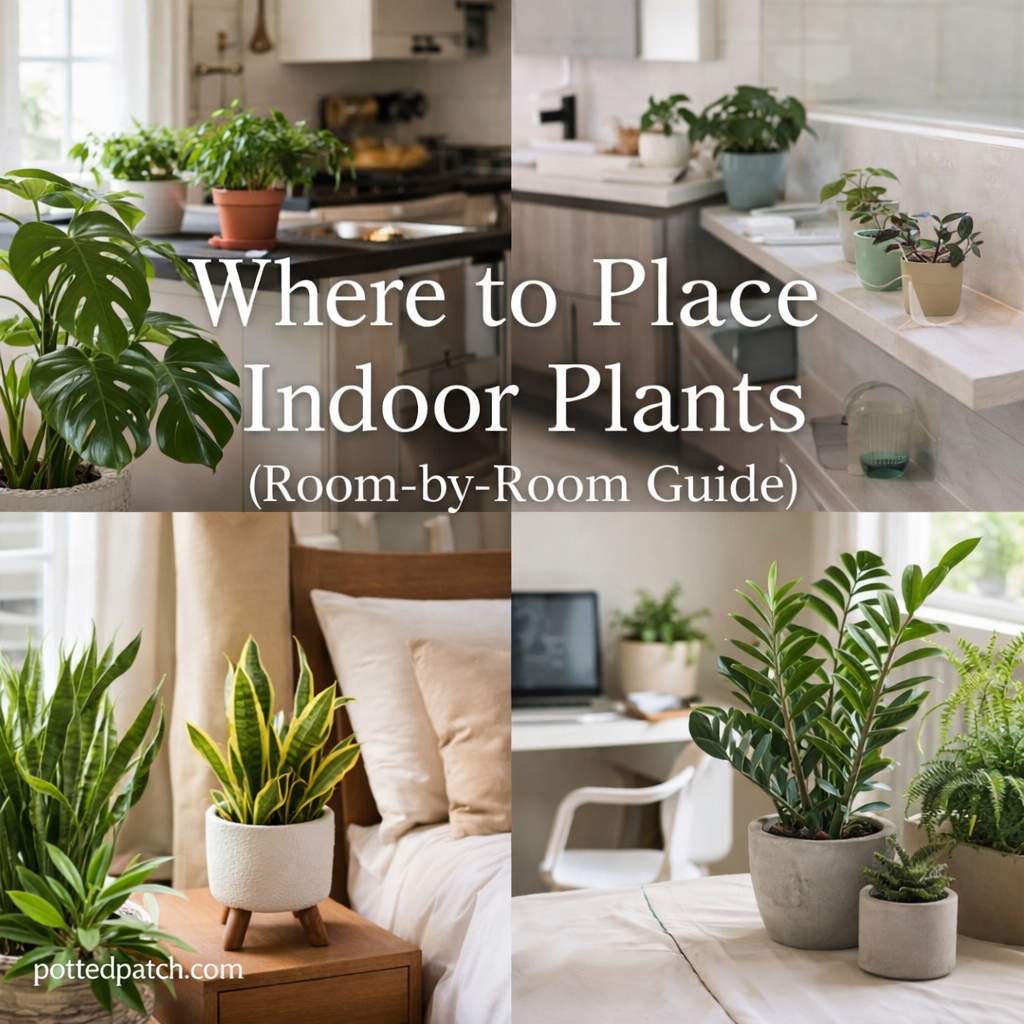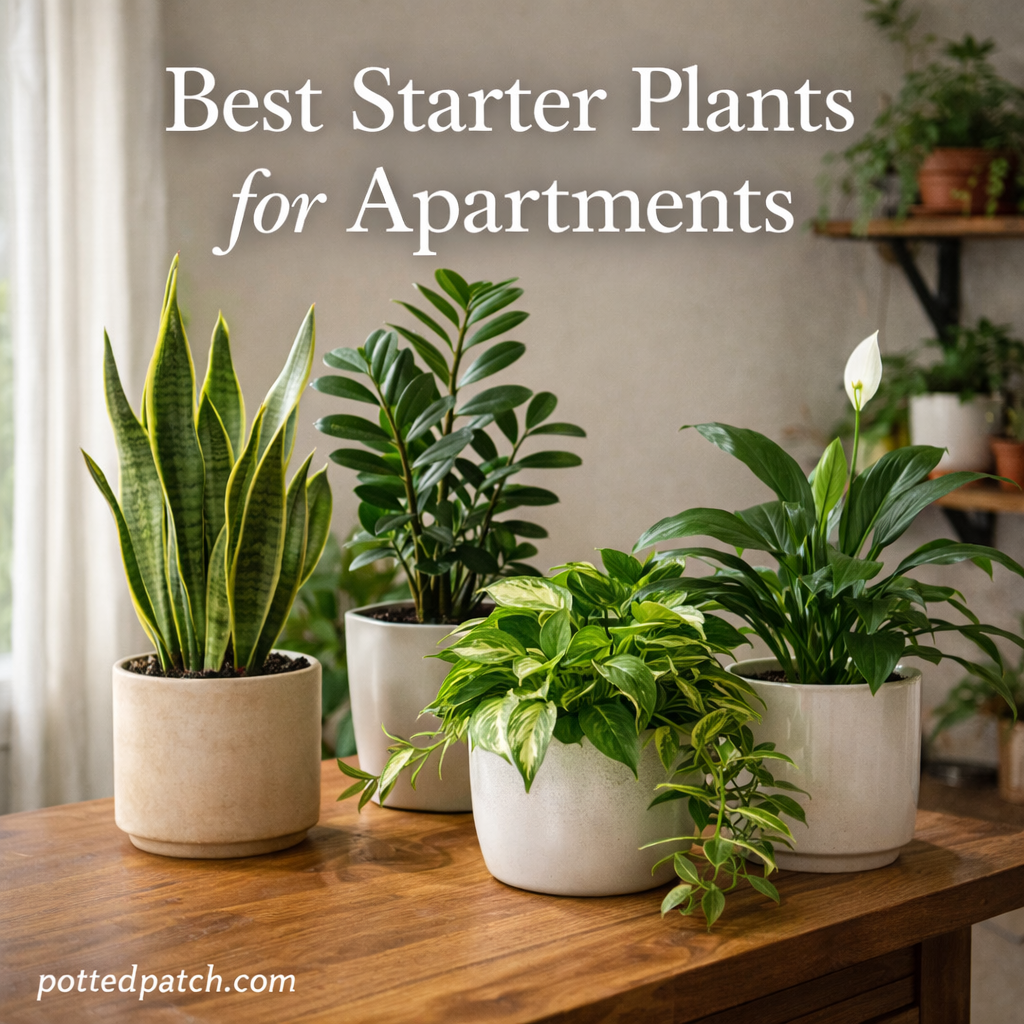
Apartment living doesn’t mean you have to give up on having plants. In fact, many houseplants thrive in smaller spaces, tolerate inconsistent light, and forgive the occasional missed watering. If you’re new to plant care or just want low-effort greenery, choosing the right starter plants makes all the difference.
This guide covers the best beginner-friendly plants for apartments, focusing on ease of care, adaptability, and long-term success.
What Makes a Plant Apartment-Friendly?
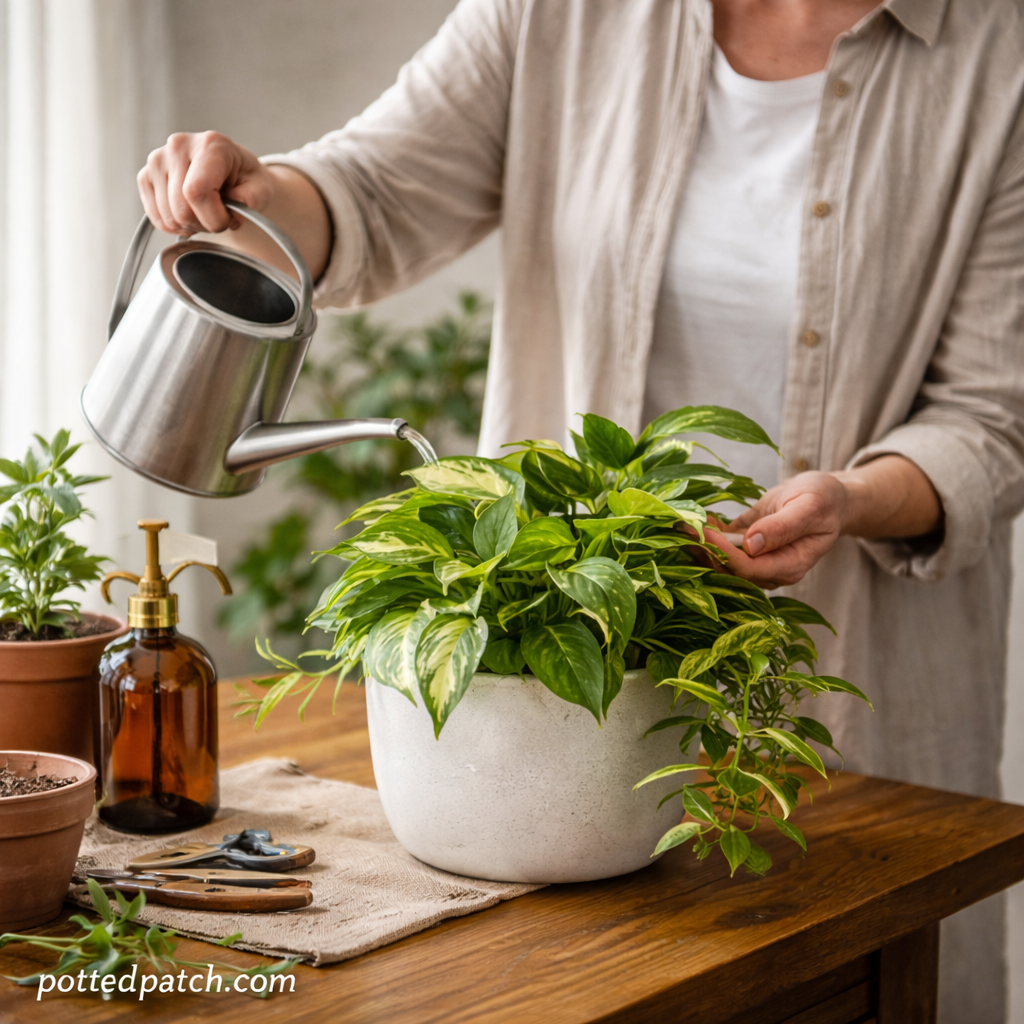
Before diving into specific plants, it helps to understand what qualities matter most in an apartment setting.
Good starter plants for apartments usually share these traits:
- Tolerate low to medium light
- Don’t require frequent watering
- Stay manageable in size
- Handle temperature fluctuations well
- Resist common pests and diseases
Plants that meet these criteria are far more forgiving, especially if you’re still building confidence as a plant owner.
Snake Plant (Sansevieria)
Snake plants are often considered the ultimate beginner plant.
Why It’s Great for Apartments
- Thrives in low light and bright light
- Needs watering only every 2–3 weeks
- Grows upright, taking up minimal floor space
- Improves indoor air quality
Snake plants are perfect for bedrooms, hallways, and small living rooms where light may be limited.
Pothos
Pothos is one of the easiest trailing plants to grow indoors.
Why Beginners Love It
- Adapts to a wide range of lighting conditions
- Clearly signals when it needs water
- Grows quickly but is easy to prune
- Looks great on shelves or hanging planters
Its cascading vines make it ideal for apartments where vertical space matters more than floor space.
ZZ Plant
The ZZ plant is known for its glossy leaves and near-indestructible nature.
Apartment-Friendly Benefits
- Extremely drought tolerant
- Handles low light exceptionally well
- Slow-growing and compact
- Rarely bothered by pests
This plant is ideal if you travel often or forget to water regularly.
Peace Lily
If you want a beginner plant that also flowers, peace lilies are a strong choice.
Why It Works Indoors
- Tolerates medium to low light
- Lets you know when it’s thirsty by drooping
- Adds visual interest with white blooms
- Compact enough for small spaces
Peace lilies prefer consistent watering, but they’re very communicative, making them beginner-friendly.
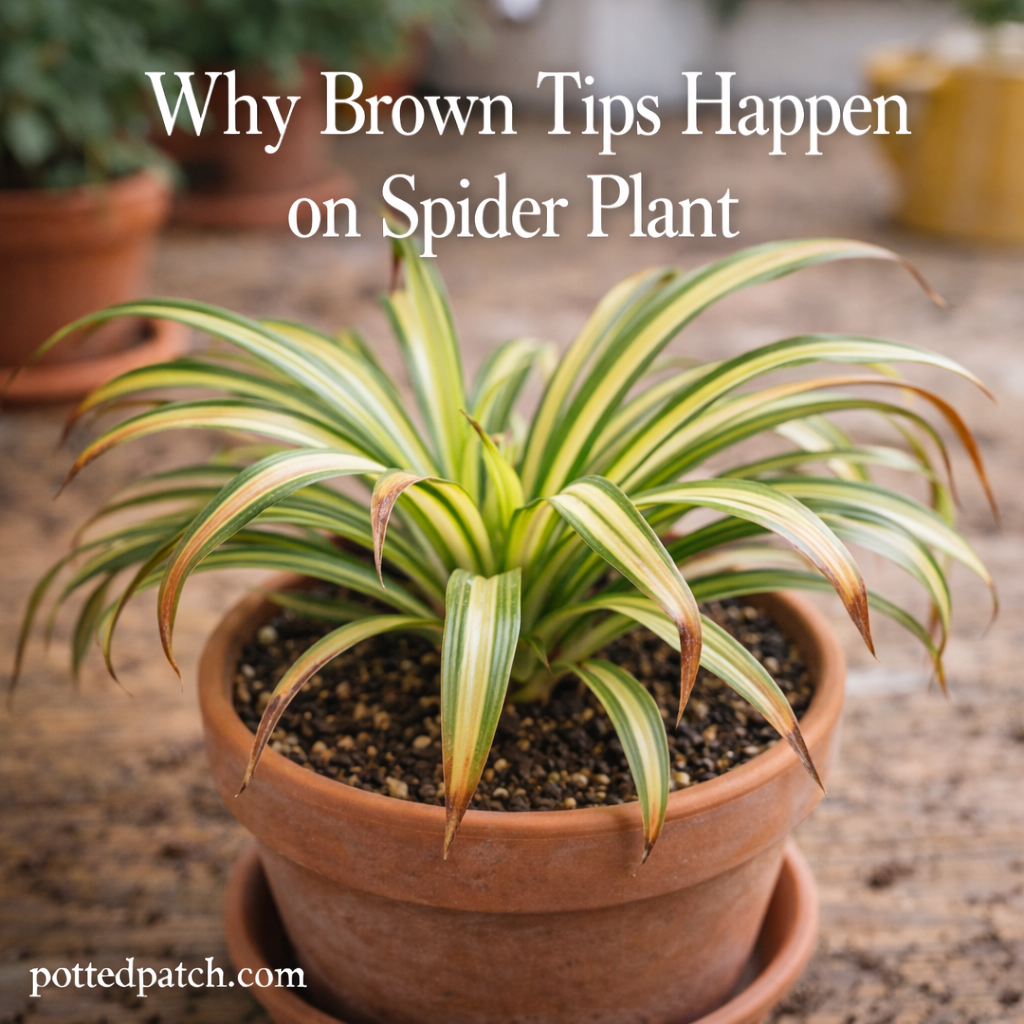
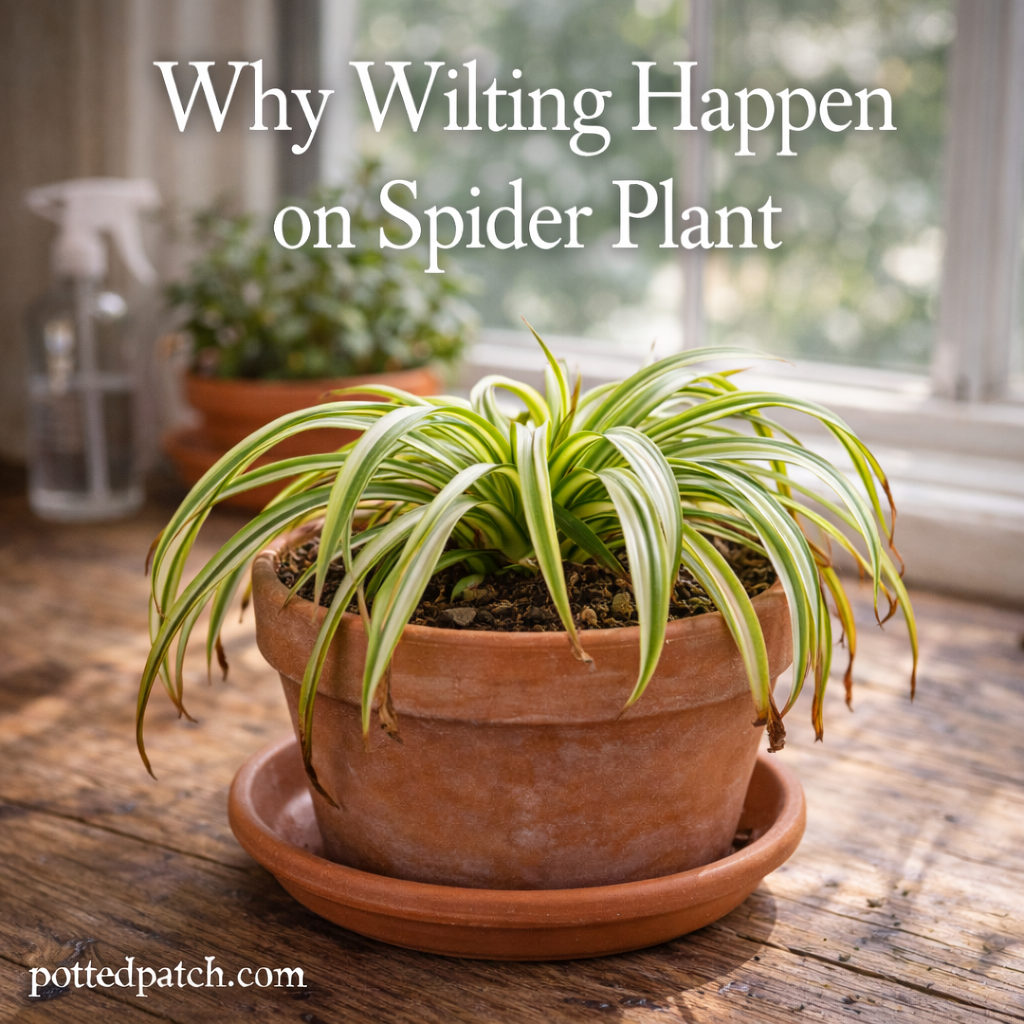
Spider Plant
Spider plants are classic starter plants that thrive in apartments.
Beginner Advantages
- Grows well in indirect light
- Produces baby plants easily
- Handles occasional missed watering
- Non-toxic and pet-friendly
They’re especially popular in hanging baskets or on shelves near windows.
Philodendron (Heartleaf)
Heartleaf philodendrons are closely related to pothos and just as forgiving.
Why They’re Easy to Maintain
- Tolerate low to medium light
- Prefer evenly moist soil but adapt easily
- Stay compact or trail depending on placement
- Respond well to pruning
This plant works well in apartments where lighting varies from room to room.
Cast Iron Plant
True to its name, the cast iron plant is incredibly tough.
Apartment-Friendly Traits
- Thrives in low light
- Tolerates temperature fluctuations
- Requires minimal watering
- Grows slowly and steadily
It’s a great option for darker apartments or rooms with few windows.
Chinese Evergreen
Chinese evergreens combine durability with decorative foliage.
Why Beginners Succeed With It
- Tolerates low and artificial light
- Doesn’t need frequent watering
- Stays compact and neat
- Comes in many color varieties
This plant is well-suited for apartments with limited natural light.
Succulents (With One Caveat)
Succulents are popular starter plants, but they require the right placement.
When Succulents Work in Apartments
- You have a bright, sunny window
- You prefer infrequent watering
- You use pots with excellent drainage
If your apartment lacks strong sunlight, succulents may struggle despite being labeled “easy.”
Herbs for Sunny Apartments
If you have a bright kitchen window, herbs can be a great beginner option.
Easy Indoor Herbs
- Basil
- Mint
- Chives
- Parsley
Herbs add greenery and function, but they do require more light than most houseplants.
How Many Plants Should Beginners Start With?
Starting small is key to long-term success.
A good rule of thumb:
- Start with 1–3 plants
- Place them in different rooms
- Learn each plant’s watering rhythm
Once you’re comfortable, adding more plants becomes much easier.
Common Beginner Mistakes to Avoid
Even easy plants can struggle with a few common issues.
Avoid:
- Overwatering “just in case”
- Using pots without drainage holes
- Placing plants in complete darkness
- Repotting too frequently
Most beginner problems come from too much attention rather than too little.
Choosing the Right Spot in Your Apartment
Light exposure matters more than square footage.
General placement tips:
- East-facing windows provide gentle morning light
- South-facing windows are best for sun-loving plants
- North-facing rooms suit low-light plants
- Keep plants away from heating vents and drafts
Observing light patterns for a few days before placing plants can prevent problems later.
Final Thoughts
The best starter plants for apartments are the ones that fit your space and lifestyle. Low light, limited room, and busy schedules don’t have to stop you from enjoying plants. With forgiving options like snake plants, pothos, and ZZ plants, even first-time plant owners can succeed.
Start simple, stay consistent, and let your confidence grow along with your plants.