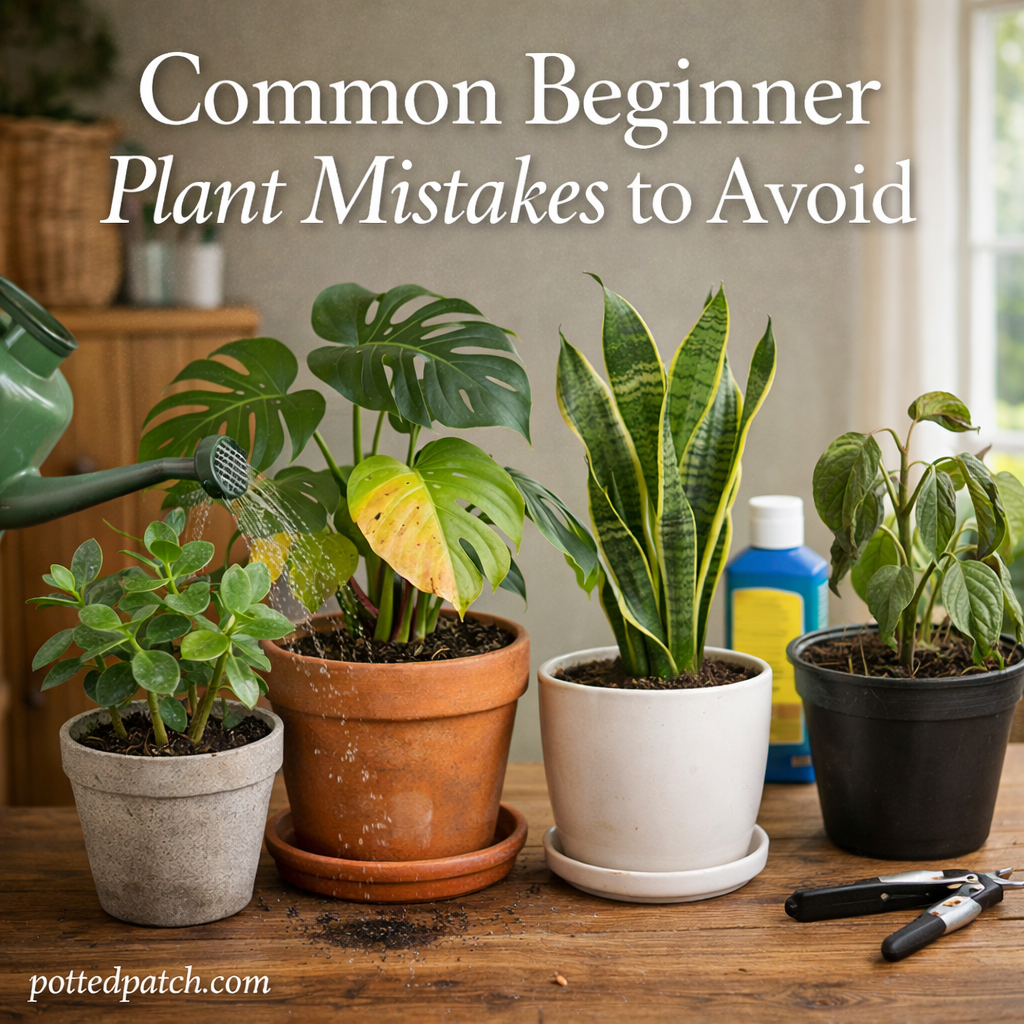
Starting your plant journey is exciting—but it’s also where most problems begin. Many beginner plant issues don’t come from neglect, but from overcare, misunderstanding plant needs, or following advice that doesn’t apply to every plant.
The good news? Most beginner plant mistakes are easy to avoid once you know what to watch for. This guide walks through the most common pitfalls and how to fix them early, so your plants stay healthy and your confidence grows along with them.
Overwatering Plants
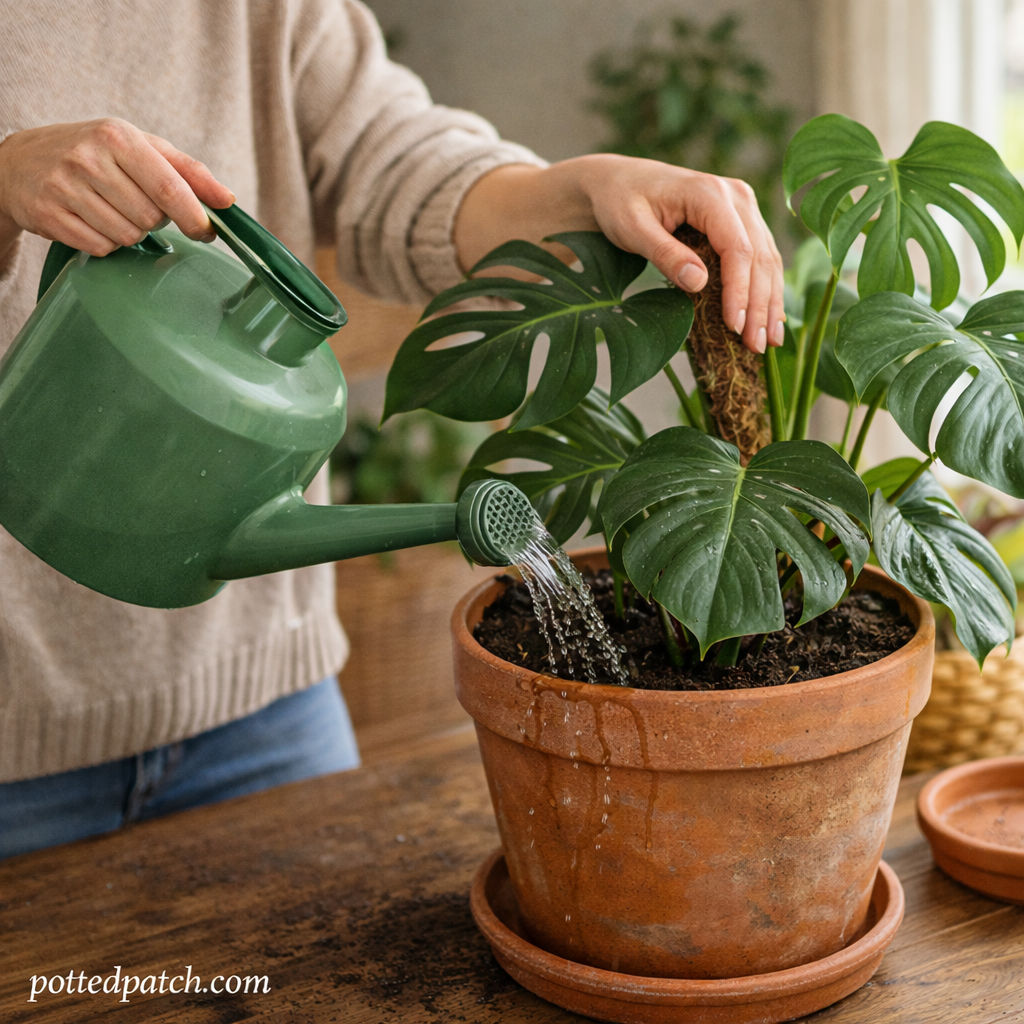
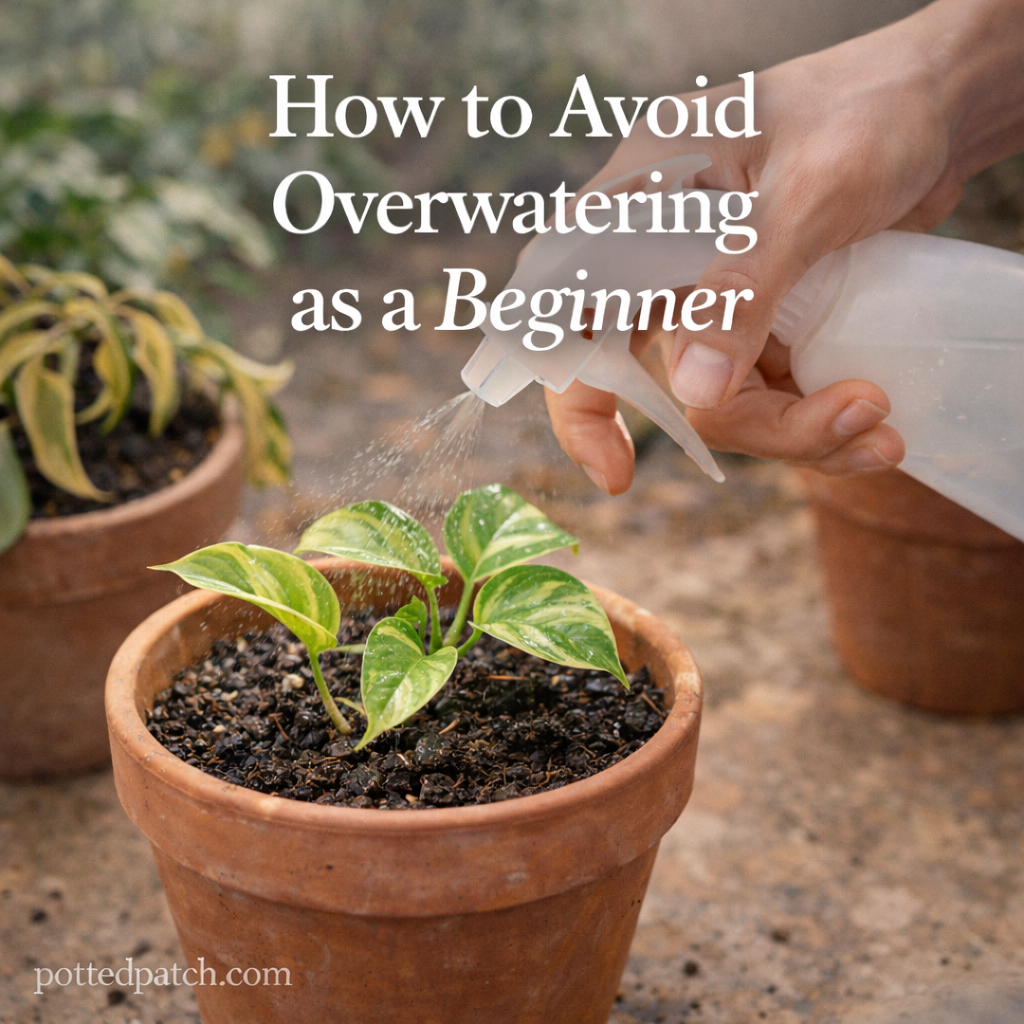
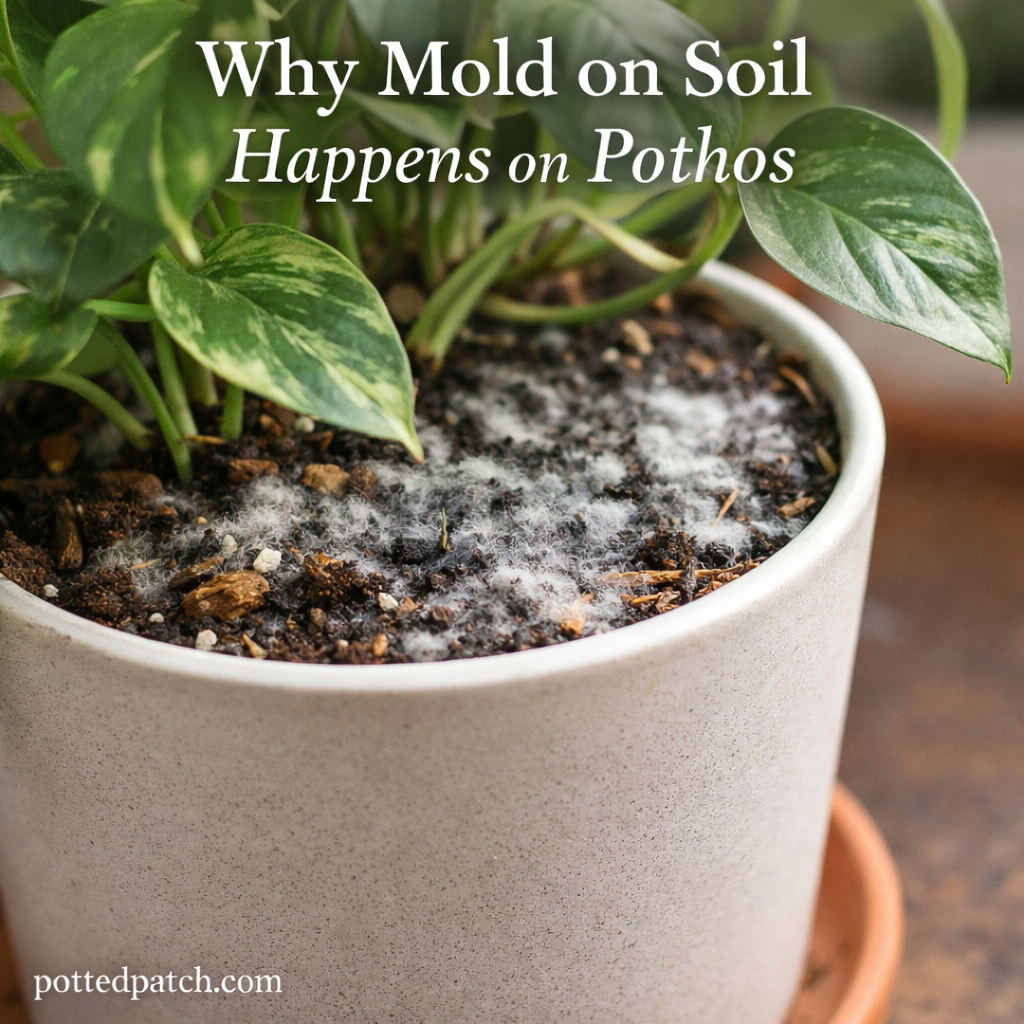
Overwatering is the number one mistake beginners make.
Many houseplants die not from thirst, but from roots sitting in constantly wet soil.
Why It Happens
- Watering on a schedule instead of checking the soil
- Using pots without drainage
- Assuming droopy leaves always mean thirst
How to Avoid It
- Check the top 1–2 inches of soil before watering
- Make sure every pot has drainage holes
- Let excess water drain completely
- Learn each plant’s preferred moisture level
When in doubt, it’s usually safer to wait a day.
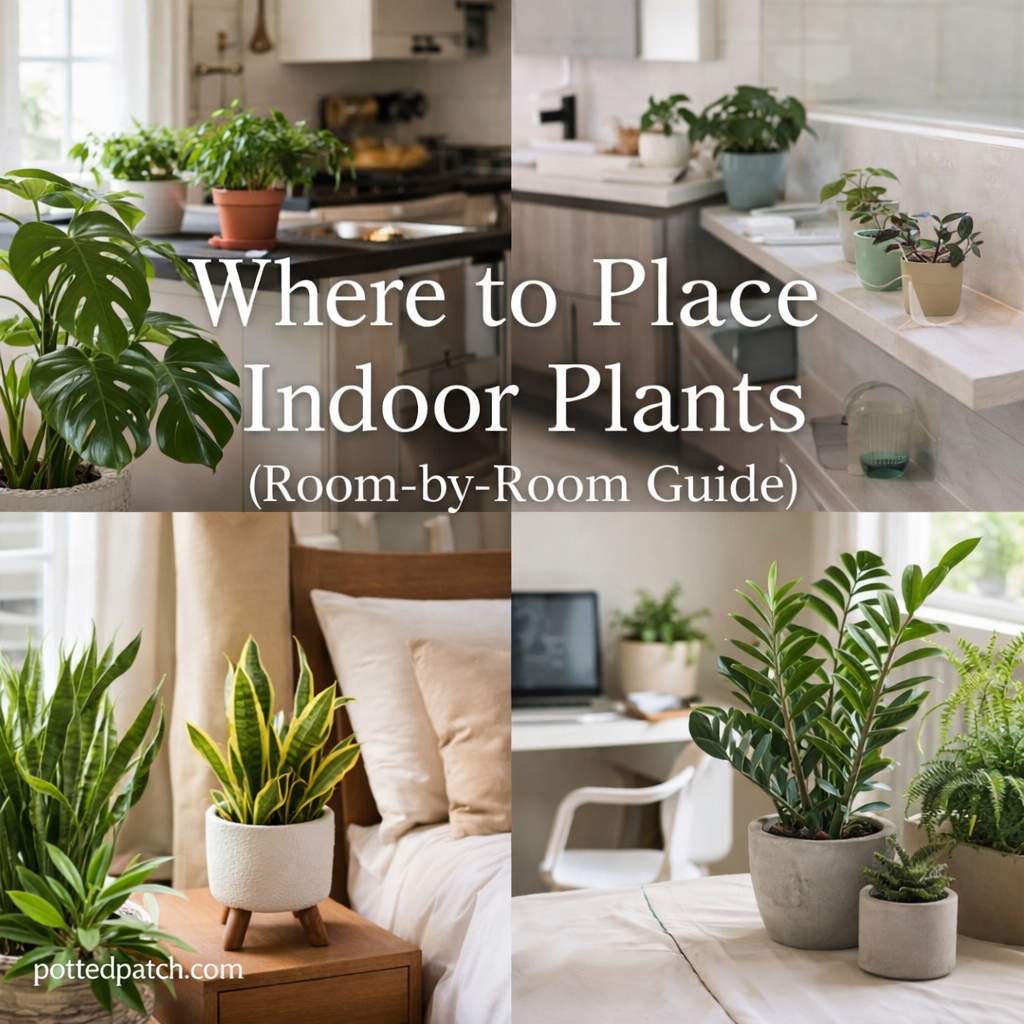
Choosing the Wrong Plant for Your Space
Not all plants thrive in all homes.
Buying a plant based only on looks often leads to frustration.
Common Mismatches
- Low-light homes with sun-loving plants
- Busy schedules with high-maintenance plants
- Dry air paired with humidity-loving species
How to Avoid It
- Assess your light honestly (bright, medium, low)
- Choose plants that match your routine
- Start with forgiving plants before trying sensitive ones
Plants adapted to your environment will thrive with far less effort.
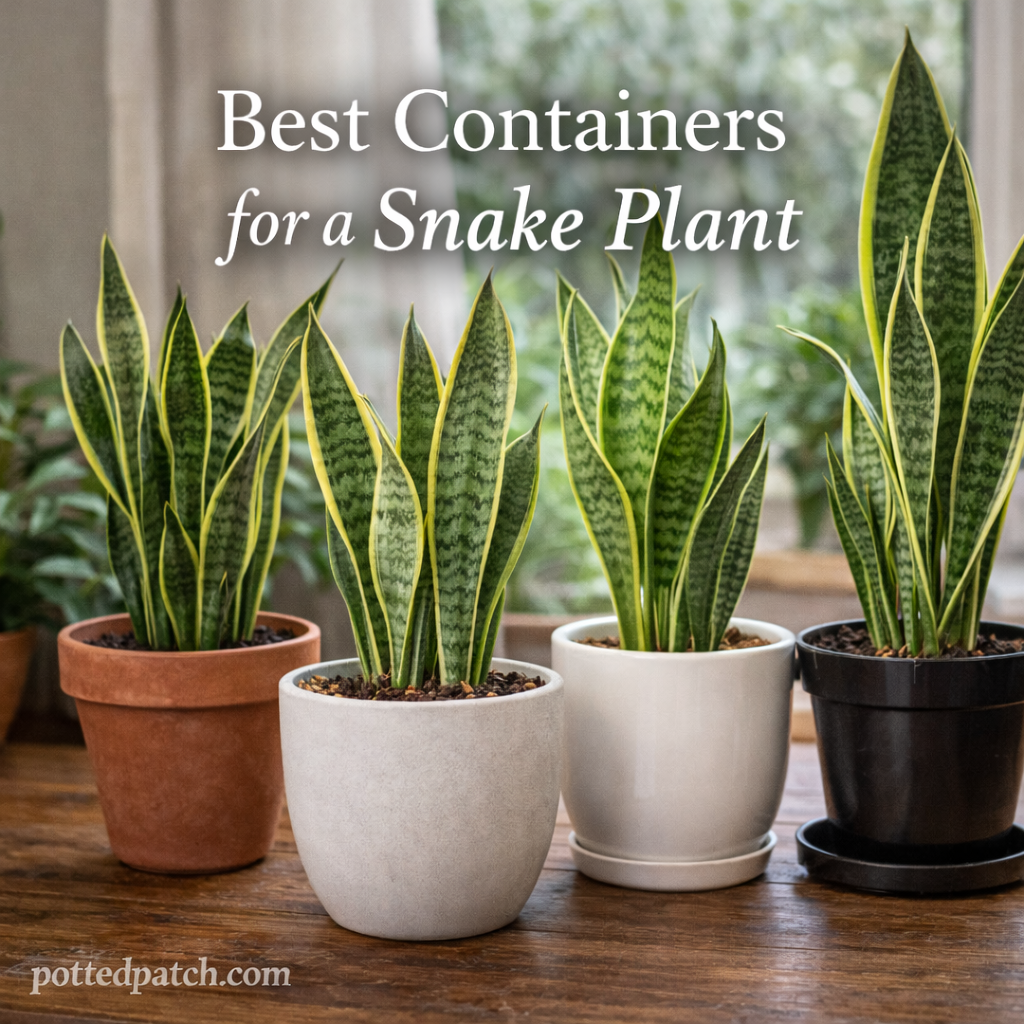
Using Pots Without Drainage
Decorative pots without drainage holes are a silent plant killer.
Without drainage, water has nowhere to go, leading to soggy soil and root rot.
Better Options
- Use a pot with drainage inside a decorative cache pot
- Drill drainage holes if the material allows
- Always empty standing water after watering
Drainage is not optional—it’s essential.
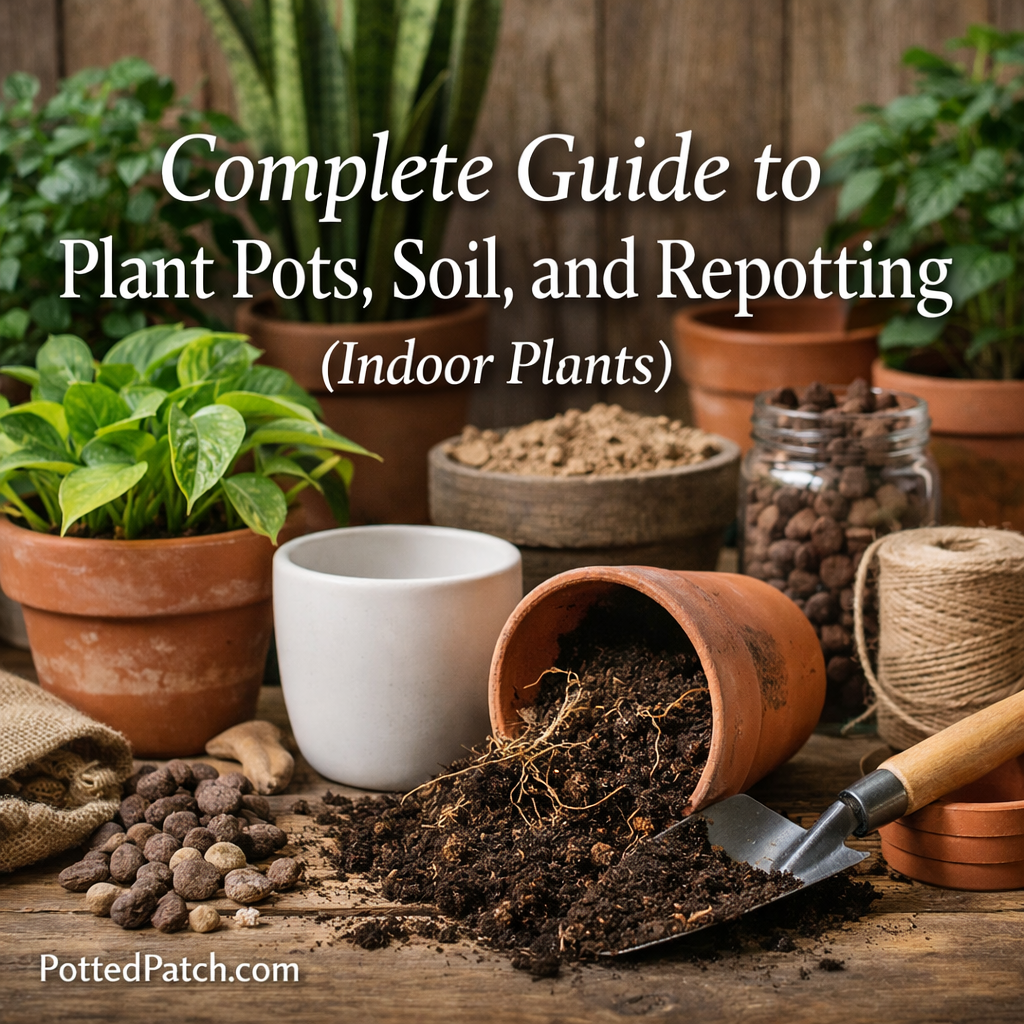
Repotting Too Often (or Not Enough)
Repotting can help plants grow, but doing it too frequently causes stress.
Signs of Over-Repotting
- Plant looks shocked after every move
- Roots struggle to establish
- Soil stays wet longer than expected
Signs a Plant Needs Repotting
- Roots growing out of drainage holes
- Water running straight through the pot
- Plant becoming unstable or root-bound
Most plants only need repotting every 12–24 months.
Ignoring Light Requirements
Light drives plant growth. Without enough of it, plants weaken over time—even if everything else is perfect.
Common Light Mistakes
- Assuming indirect light means low light
- Placing plants too far from windows
- Forgetting that light changes seasonally
How to Avoid It
- Observe how sunlight moves through your home
- Rotate plants for even growth
- Adjust placement during darker months
If growth slows or leaves stretch toward light, placement likely needs adjustment.
Overfertilizing
More fertilizer does not equal faster growth.
Overfeeding can burn roots, damage leaves, and stunt growth.
Beginner Fertilizer Mistakes
- Fertilizing too frequently
- Using full-strength fertilizer year-round
- Feeding stressed or newly repotted plants
Safer Approach
- Fertilize only during active growth
- Use diluted fertilizer
- Skip feeding in winter for most plants
Healthy soil matters more than constant feeding.
Not Adjusting Care Seasonally
Plants don’t grow at the same pace all year.
Many beginners keep watering and feeding habits the same year-round, which causes issues.
Seasonal Changes to Watch For
- Slower growth in fall and winter
- Reduced water needs
- Lower light levels
Adjusting care with the seasons prevents overwatering and stress.
Panicking Over Normal Leaf Changes
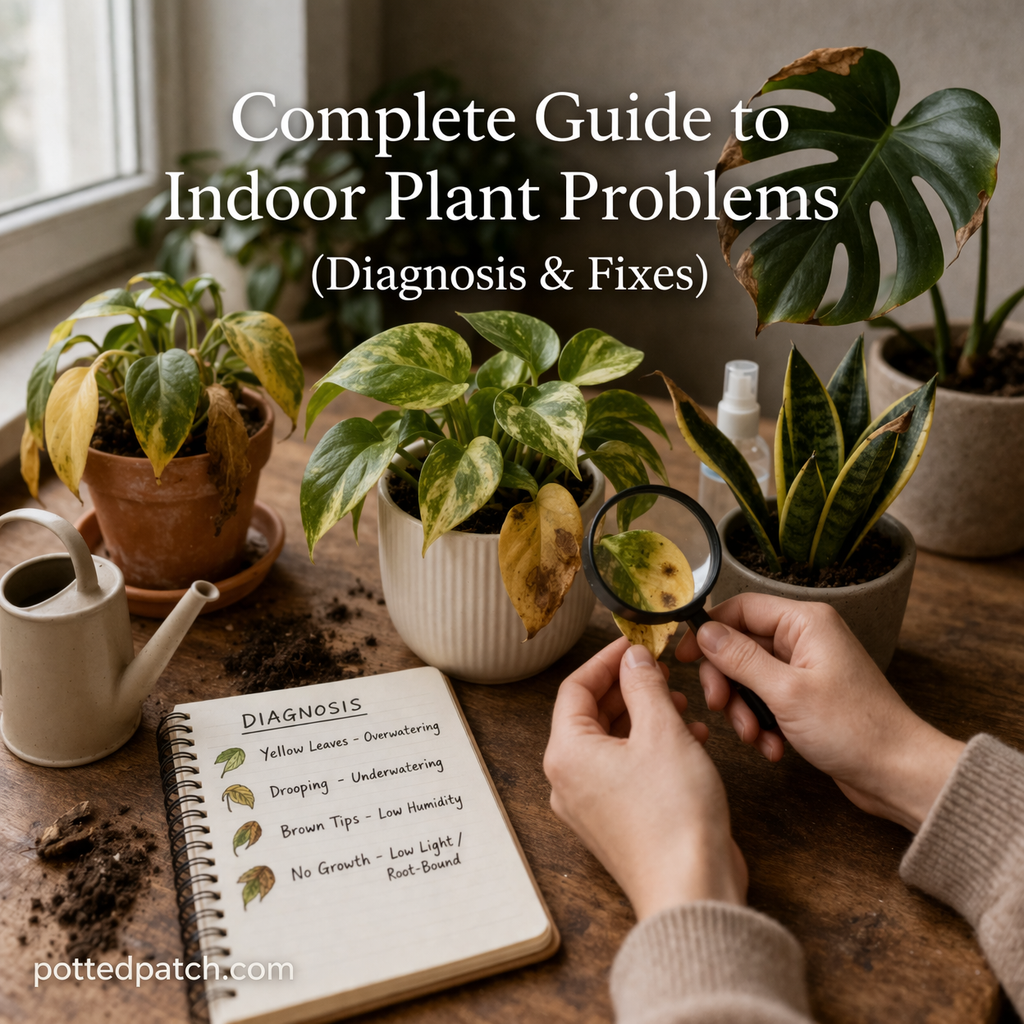
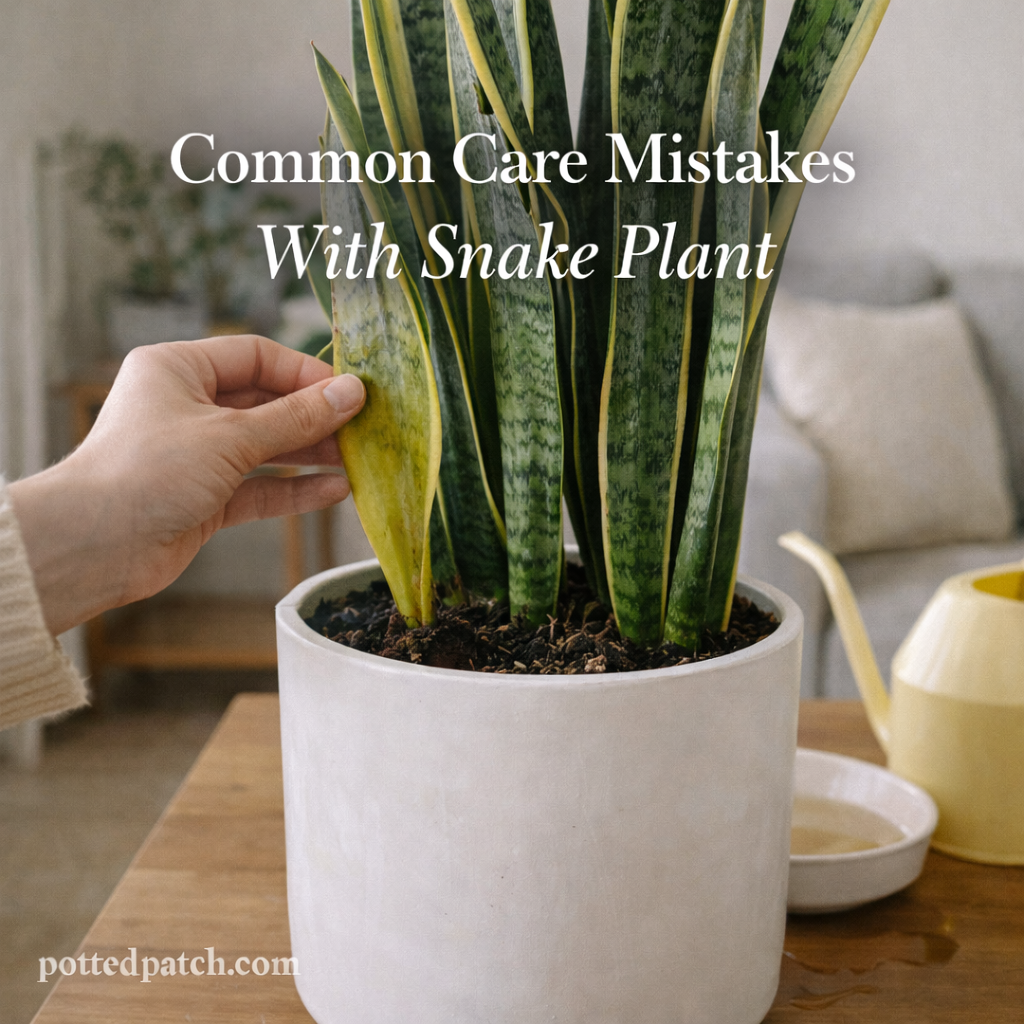
Not every yellow leaf is a crisis.
Plants naturally shed older leaves as they grow.
Normal Changes
- Occasional yellowing of lower leaves
- Slow leaf loss during seasonal shifts
- Minor cosmetic damage
When to Worry
- Rapid leaf drop
- Soft or mushy stems
- Widespread yellowing combined with wet soil
Learning what’s normal saves time and stress.
Neglecting to Learn Individual Plant Needs
General plant advice is helpful—but not universal.
Each plant has specific preferences.
What to Learn Early
- Light level
- Watering frequency
- Soil type
- Growth habit
Even basic research on a new plant can prevent months of struggle.
Expecting Perfection
Plants are living things, not decorations.
Leaves may tear, yellow, or grow unevenly—and that’s okay.
A Better Mindset
- Focus on overall health, not flawless appearance
- Learn from mistakes instead of giving up
- Remember that even experienced plant owners lose plants sometimes
Growth comes with patience, not perfection.
Final Thoughts
Most beginner plant mistakes come from caring too much, too quickly, or without understanding the plant’s needs. By slowing down, observing your plants, and adjusting care thoughtfully, you’ll avoid the most common issues and build lasting confidence as a plant owner.
Plants are resilient—and so are you.