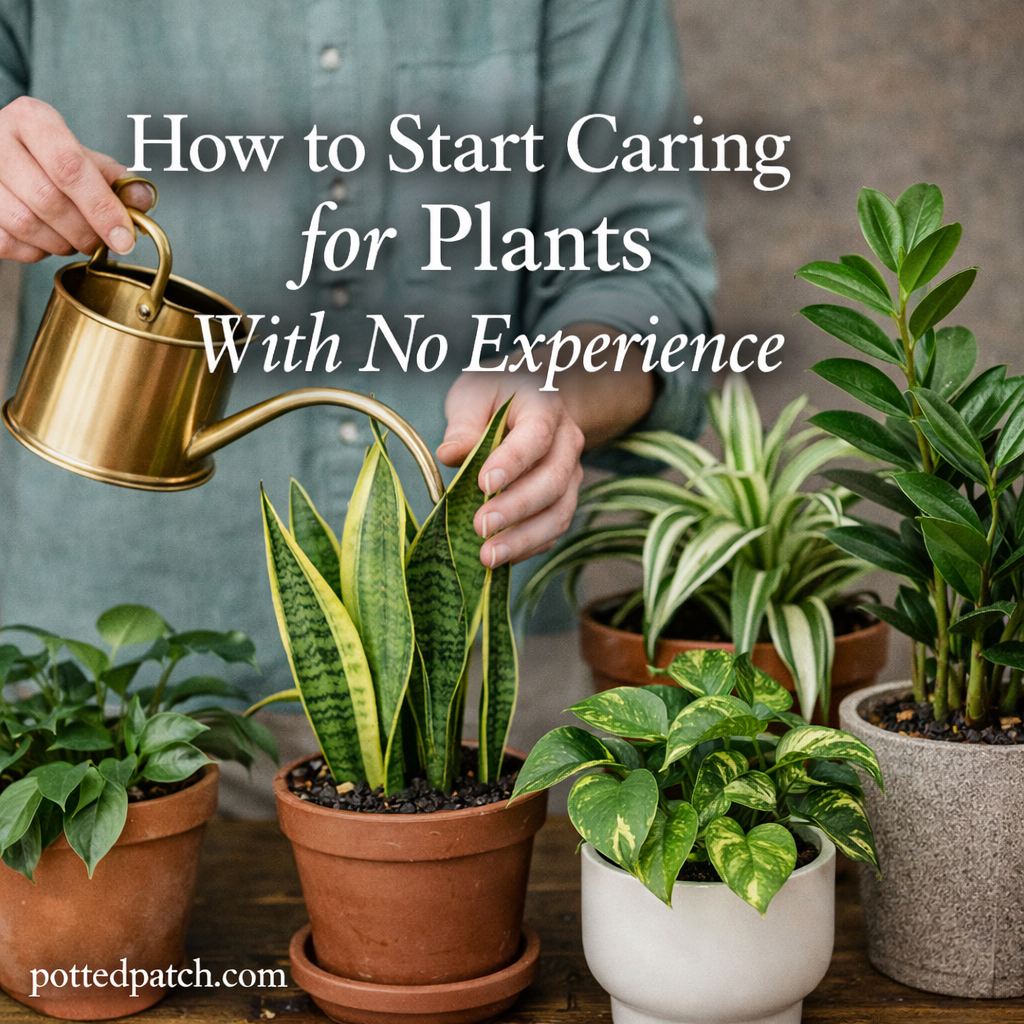
Getting into plant care can feel intimidating when you have no experience—but it doesn’t have to be. Most beginner mistakes come from overthinking, overwatering, or choosing the wrong plants to start with.
This guide is designed for absolute beginners. No jargon, no complicated routines—just simple steps to help you build confidence and keep your first plants alive.
Start With the Right Mindset
Before choosing a plant, it helps to reset expectations.
- You don’t need a green thumb
- You will make small mistakes—and that’s normal
- Plants are more forgiving than most people think
Plant care is a skill you build through observation, not perfection.
Choose Beginner-Friendly Plants First
Some plants are naturally more tolerant of missed waterings, inconsistent light, and beginner learning curves.
Best Plants for Absolute Beginners
Start with one or two of these:
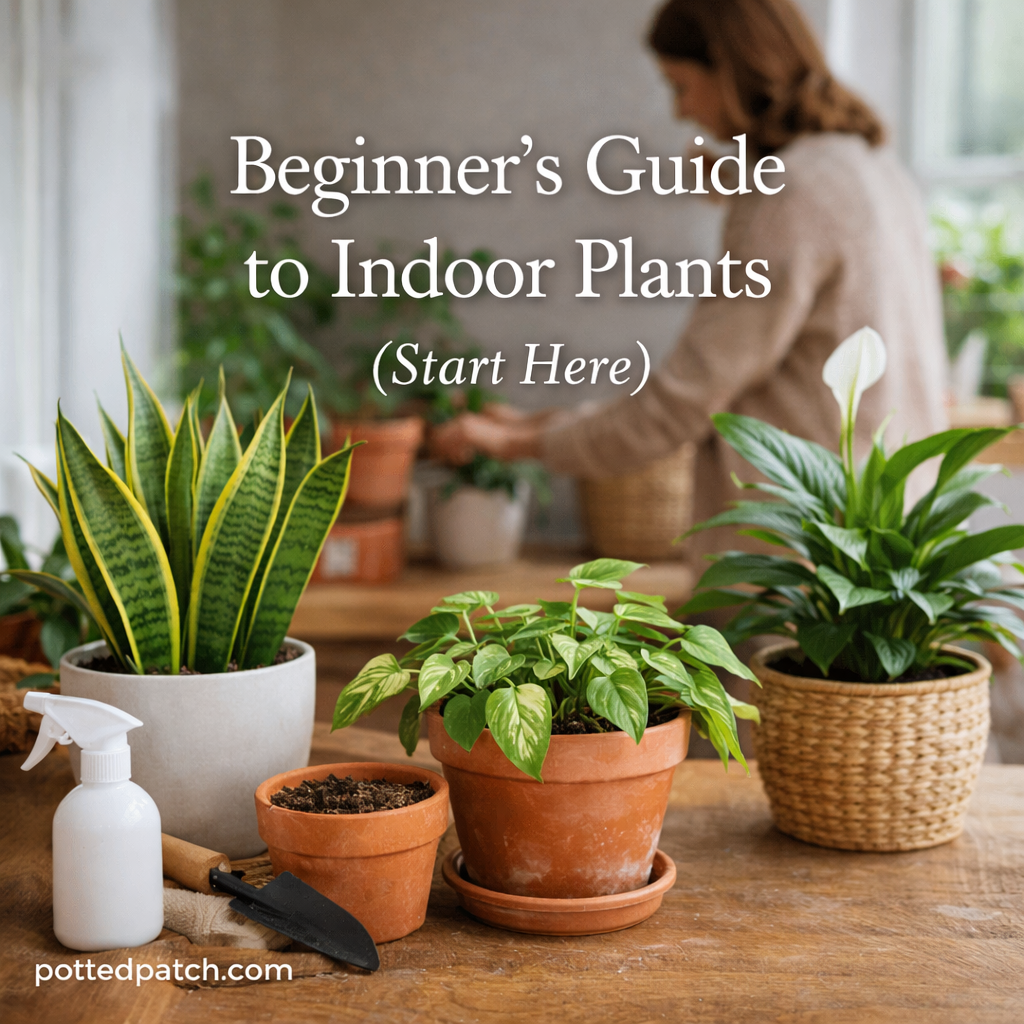
- Snake plant
- Pothos
- ZZ plant
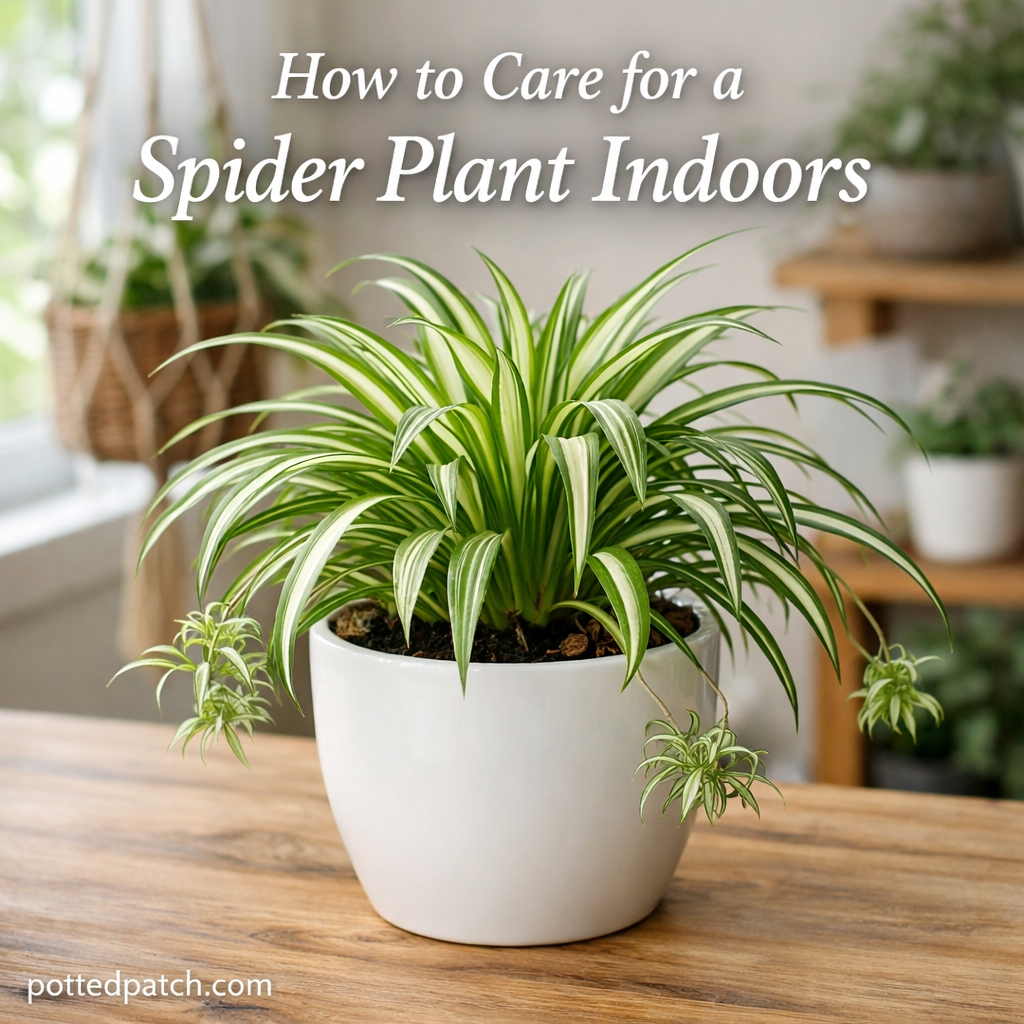
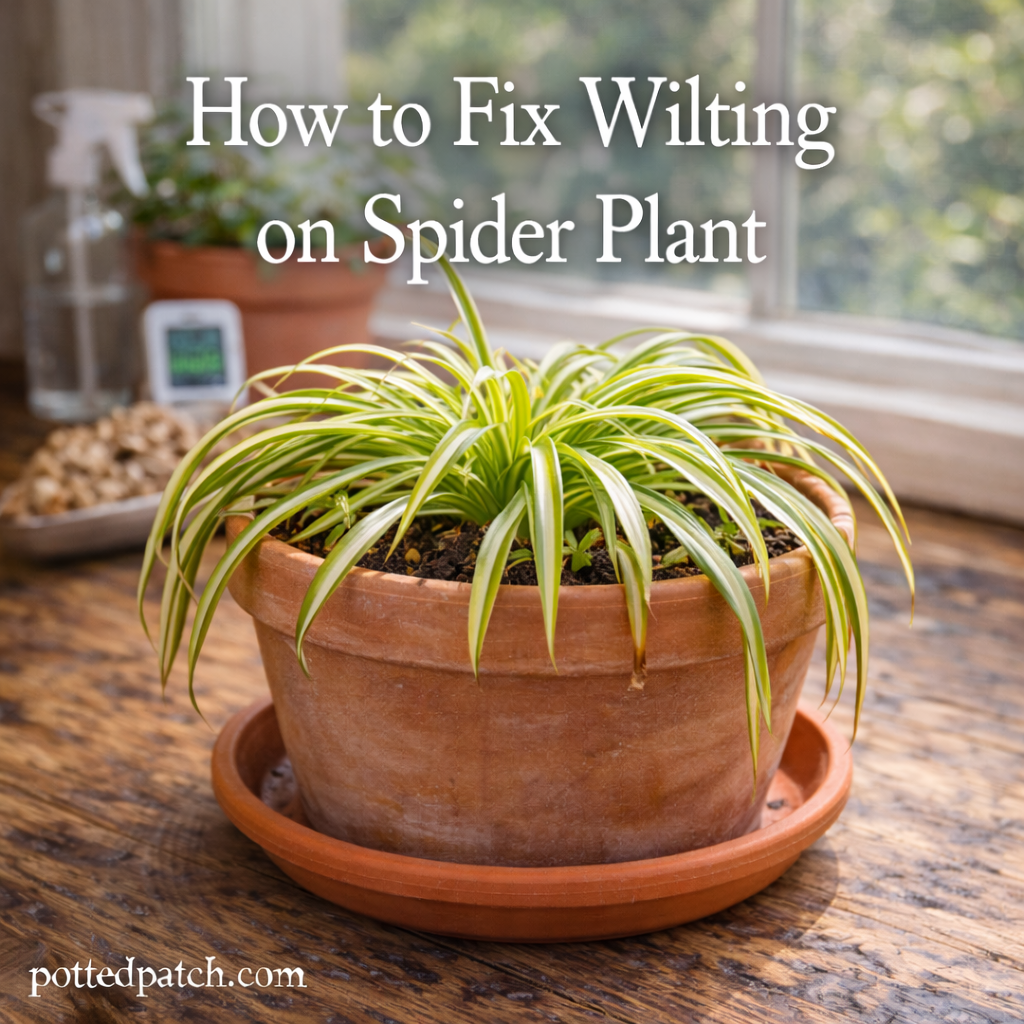
- Spider plant
- Philodendron
These plants handle low light well and don’t need constant attention.
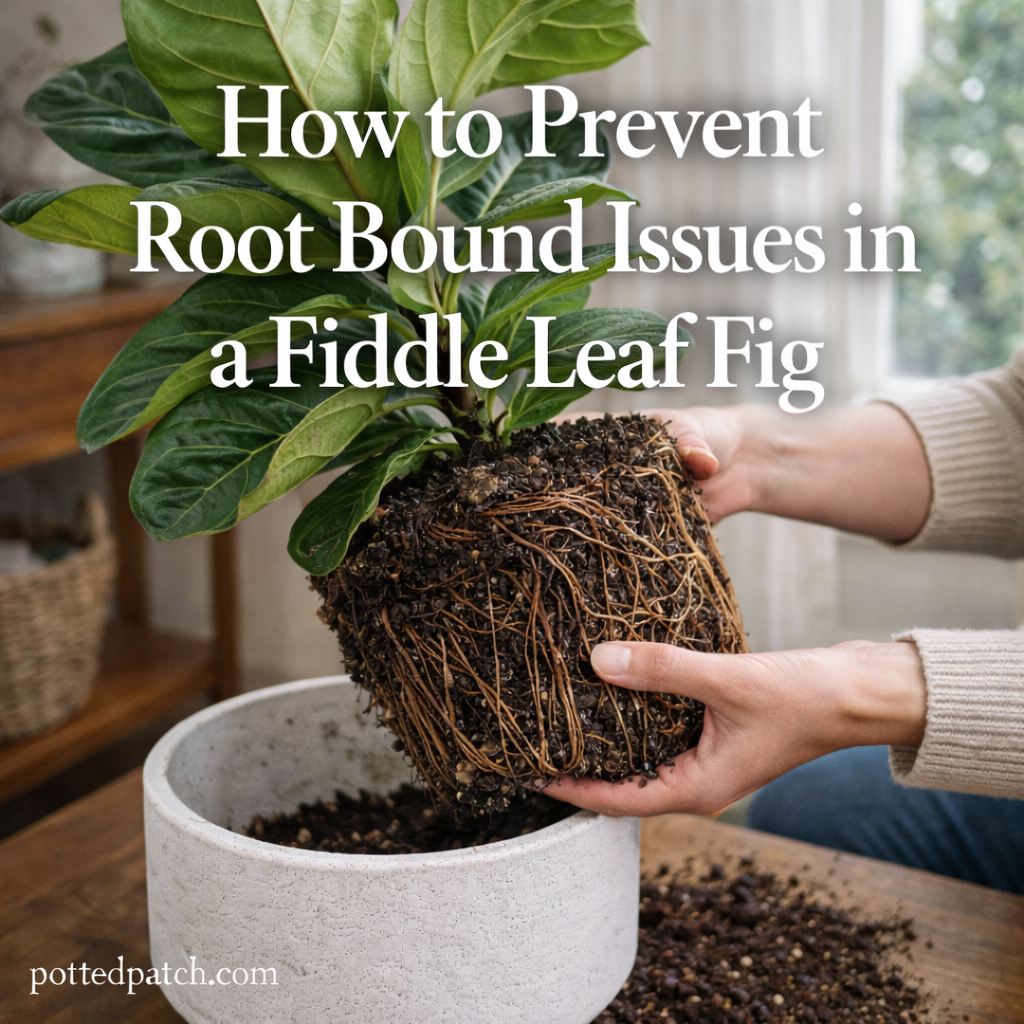
Avoid starting with plants that are known to be sensitive, such as fiddle leaf figs, calatheas, or orchids.
Understand the Three Basics of Plant Care
Every houseplant relies on the same three things.
Light
Light is usually the biggest challenge for beginners.
General tips:
- Bright, indirect light works for most plants
- Avoid harsh direct sun unless the plant specifically needs it
- If you can comfortably read near a window, most plants can grow there
When in doubt, it’s safer to give a plant slightly less light than too much.
Water
Overwatering kills more plants than underwatering.
A simple beginner rule:
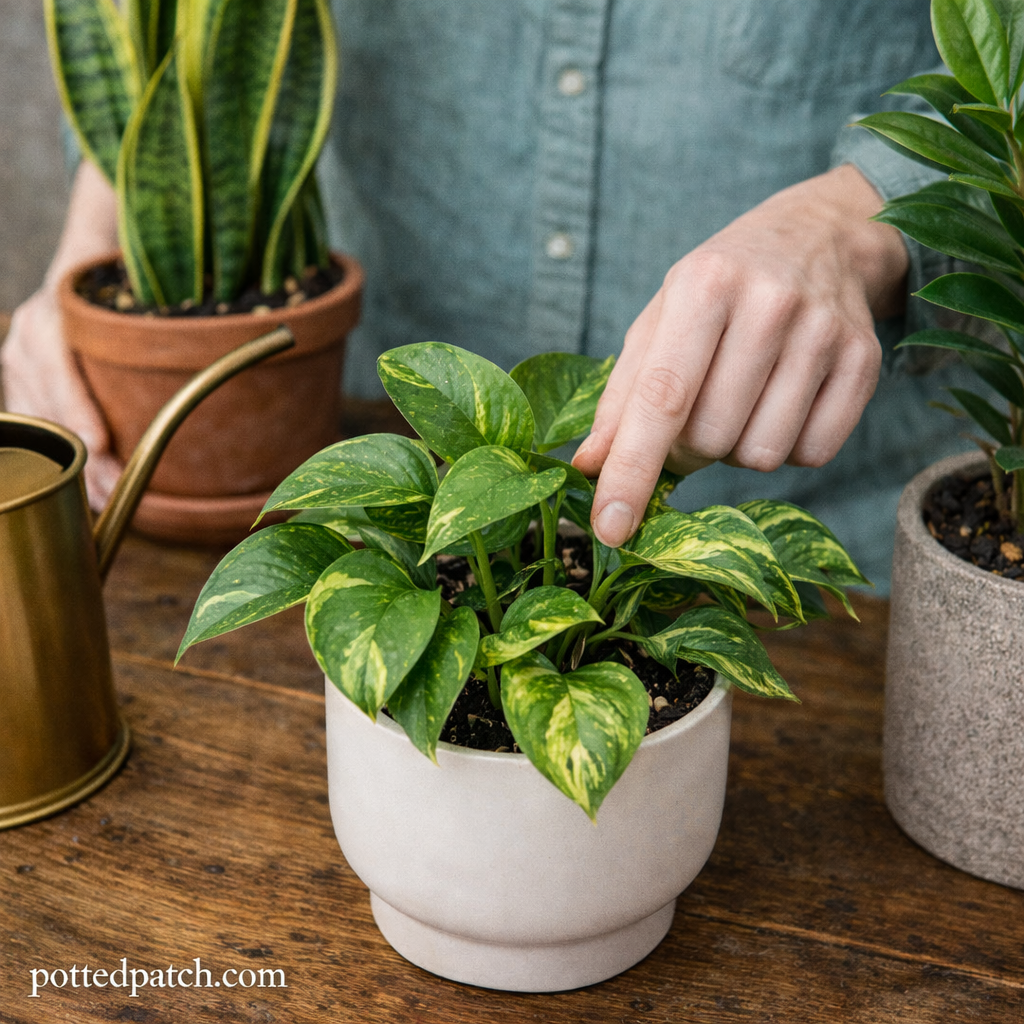
- Only water when the top 1–2 inches of soil feel dry
Other helpful habits:
- Water slowly until excess drains out
- Empty the saucer after watering
- Never water on a strict schedule
Plants don’t follow calendars—check the soil instead.
Soil and Pots
Plants need soil that drains well and pots that allow excess water to escape.
Beginner-friendly setup:
- Regular indoor potting soil
- Pots with drainage holes
- No rocks or gravel at the bottom of the pot
Good drainage prevents root rot and makes watering mistakes less harmful.
Start Small and Build Gradually
Many beginners fail because they buy too many plants at once.
A better approach:
- Start with one plant
- Learn how fast it dries out
- Watch how it responds to light and water
- Add another plant only after the first is thriving
This keeps plant care enjoyable instead of stressful.
Learn to Read Your Plant
Plants communicate through their leaves and growth.
Common signals include:
- Yellow leaves → often too much water
- Drooping leaves → thirst or root stress
- Slow growth → low light or poor nutrition
- Crispy edges → dry air or underwatering
You don’t need to diagnose instantly—just notice patterns.
Create a Simple Care Routine
Beginner plant care should take minutes, not hours.
Once a week:
- Check soil moisture
- Look for yellowing or drooping leaves
- Rotate the pot slightly for even growth
That’s it. No daily misting or complicated schedules needed.
Avoid These Common Beginner Mistakes
Many new plant owners run into the same issues.
Try to avoid:
- Watering “just in case”
- Repotting too often
- Using outdoor garden soil indoors
- Moving plants constantly
- Panicking over one yellow leaf
Plants prefer consistency more than constant adjustment.
Don’t Worry About Fertilizer at First
Fertilizer is not required for beginners.
If your plant is:
- Growing new leaves
- Maintaining healthy color
Then fertilizer can wait. Focus on light and watering first.
What to Do If a Plant Starts Struggling
Every plant owner loses a plant at some point.
If something goes wrong:
- Reduce watering first
- Check that the pot drains properly
- Move the plant slightly closer to light
- Remove severely damaged leaves
Learning from a struggling plant is part of the process.
How Long Until You Feel Confident?
Most beginners feel comfortable within:
- 2–4 weeks for basic watering habits
- 1–2 months for understanding light needs
- 3 months for building a routine
Confidence comes from experience—not from memorizing rules.
Final Thoughts
Starting plant care with no experience is completely achievable. By choosing forgiving plants, focusing on light and watering, and keeping things simple, you set yourself up for success.
You don’t need special tools, advanced knowledge, or perfect conditions—just patience and curiosity. Once your first plant thrives, the rest gets easier fast. 🌿