Monstera plants love moisture—but they hate sitting in soggy soil. Poor drainage is one of the most common reasons Monstera leaves yellow, droop, or develop root rot. The good news is that improving drainage is usually simple and doesn’t require repotting every time.
This guide walks you through exactly how to improve drainage for a Monstera, whether it’s already planted or you’re setting one up for long-term success.
Why Drainage Matters for Monstera Plants
Monsteras are native to tropical rainforests, where water drains quickly through loose, organic material. In a pot, excess water has nowhere to go unless the soil mix and container allow it.
When drainage is poor, roots sit in wet soil for too long, which leads to:
- Root rot
- Yellowing or browning leaves
- Slow or stunted growth
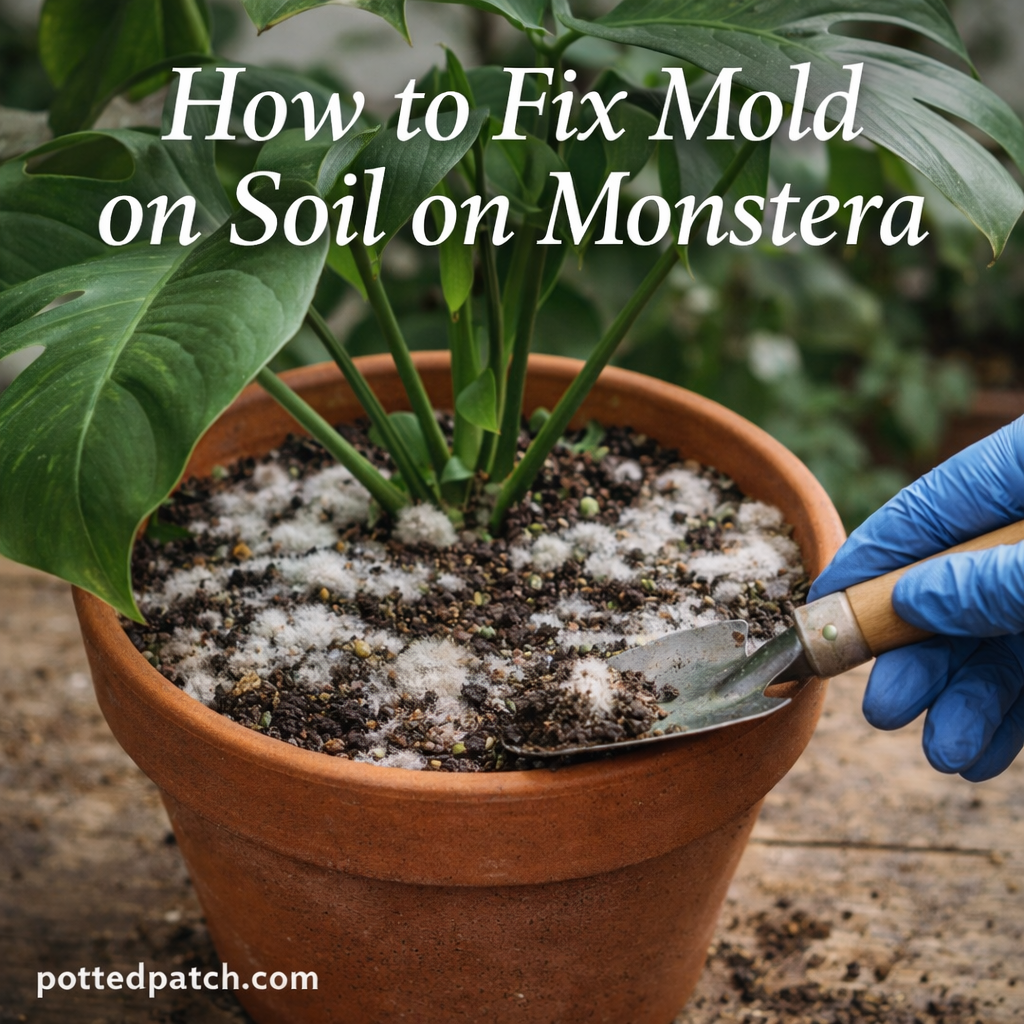
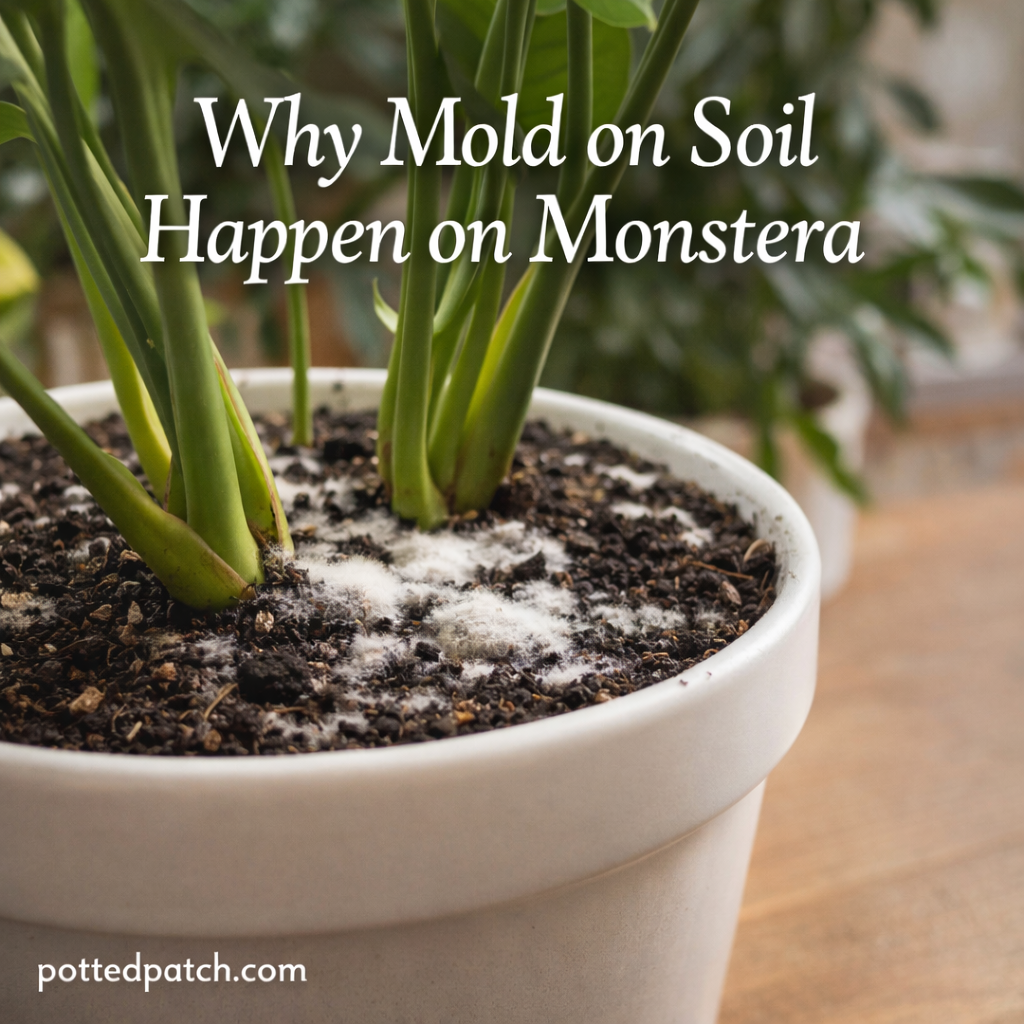
- Fungus gnats and moldy soil
- Wilting even when the soil is wet
Improving drainage helps oxygen reach the roots and allows the plant to absorb water properly.
Signs Your Monstera Has Drainage Problems
Before making changes, check for these common symptoms:
- Water pools on top of the soil for more than a few seconds
- Soil stays wet for several days after watering
- Leaves turn yellow starting from the bottom
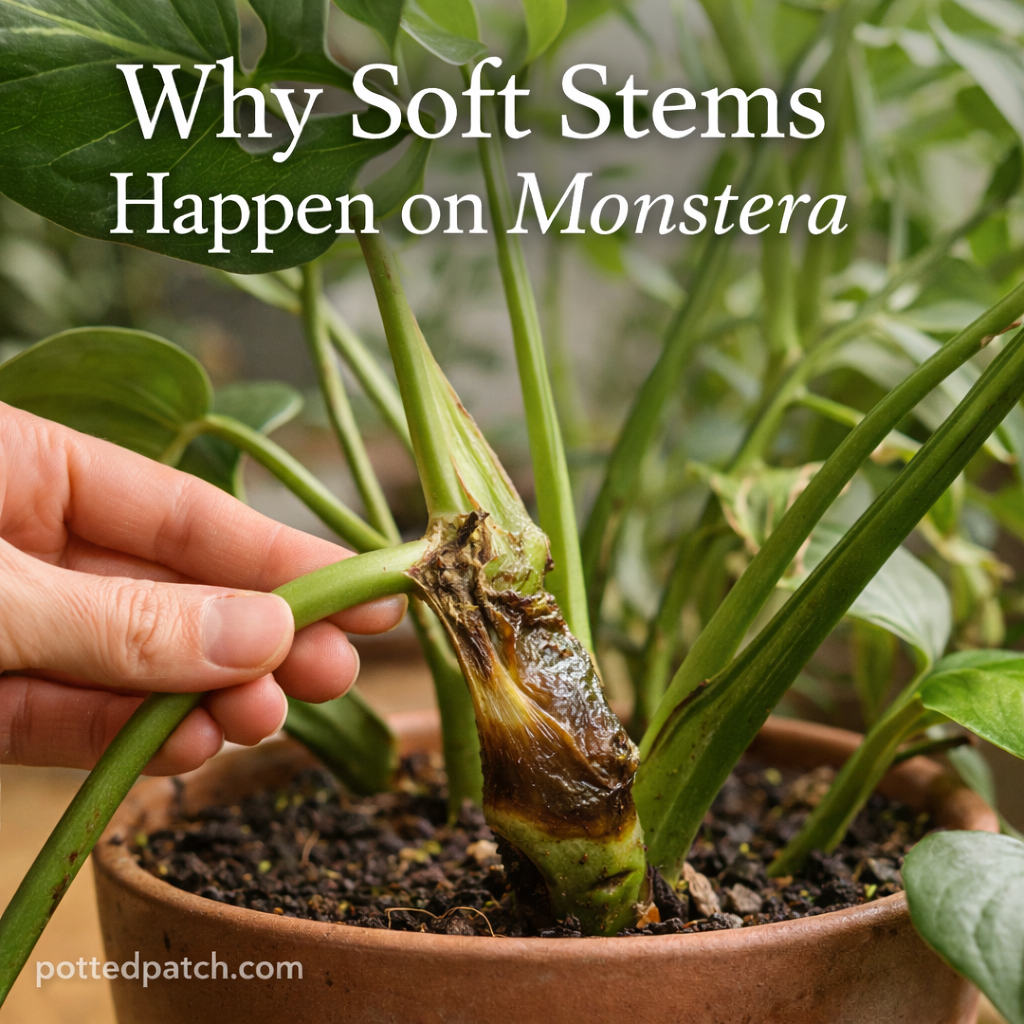
- Brown, mushy roots (if you’ve checked)
- A sour or musty smell from the pot
If you’re seeing one or more of these, it’s time to improve drainage.
Start With the Right Pot
Use a Pot With Drainage Holes
This is non-negotiable. A Monstera should always be planted in a container with at least one drainage hole.
If your pot doesn’t have holes:
- Repot into one that does
- Or drill drainage holes if the material allows
Decorative cache pots are fine, but the actual plant should sit in a nursery pot with holes.
Choose the Right Pot Size
A pot that’s too large holds excess moisture.
As a general rule:
- Choose a pot 1–2 inches wider than the root ball
- Avoid jumping up multiple pot sizes at once
Oversized pots dry unevenly and trap water at the bottom.
Use a Well-Draining Soil Mix
Standard potting soil alone is usually too dense for Monsteras. Improving drainage starts with the soil.
Ideal Soil Components for Drainage
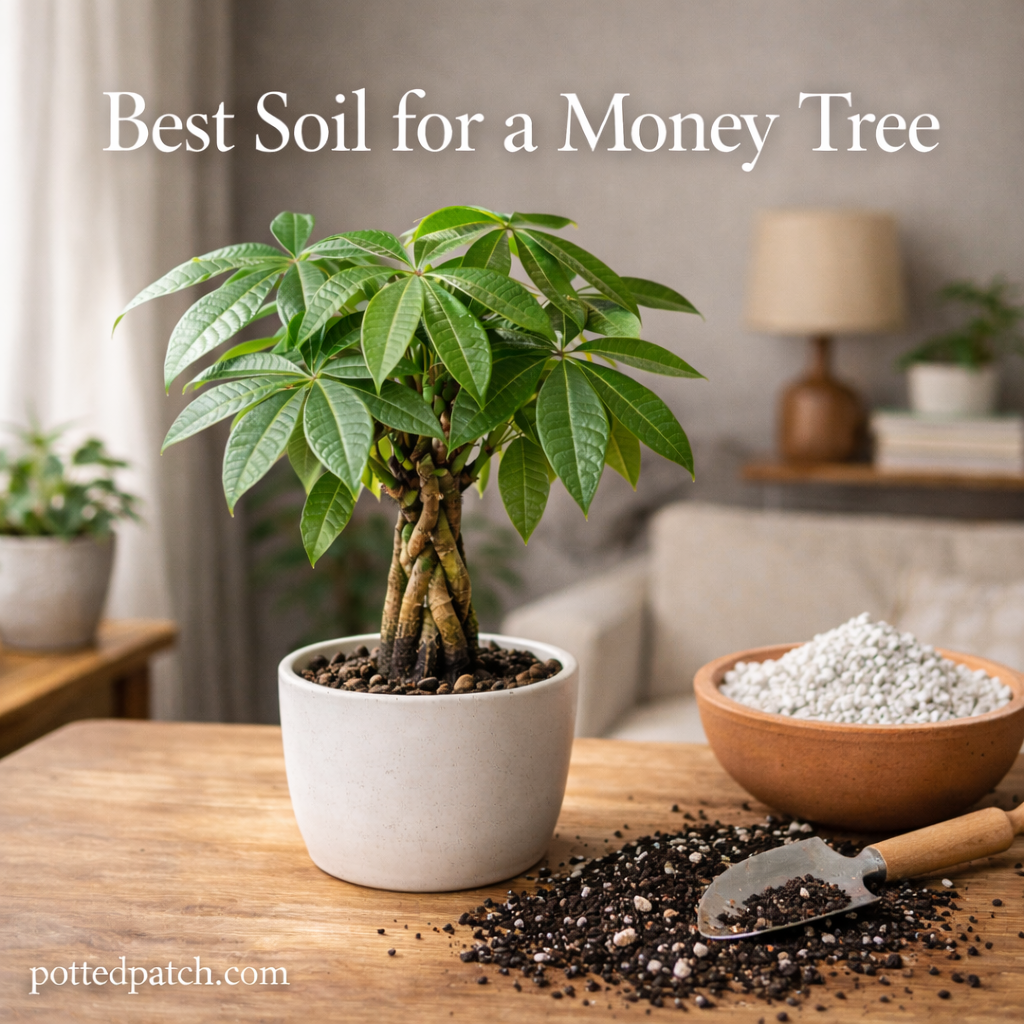
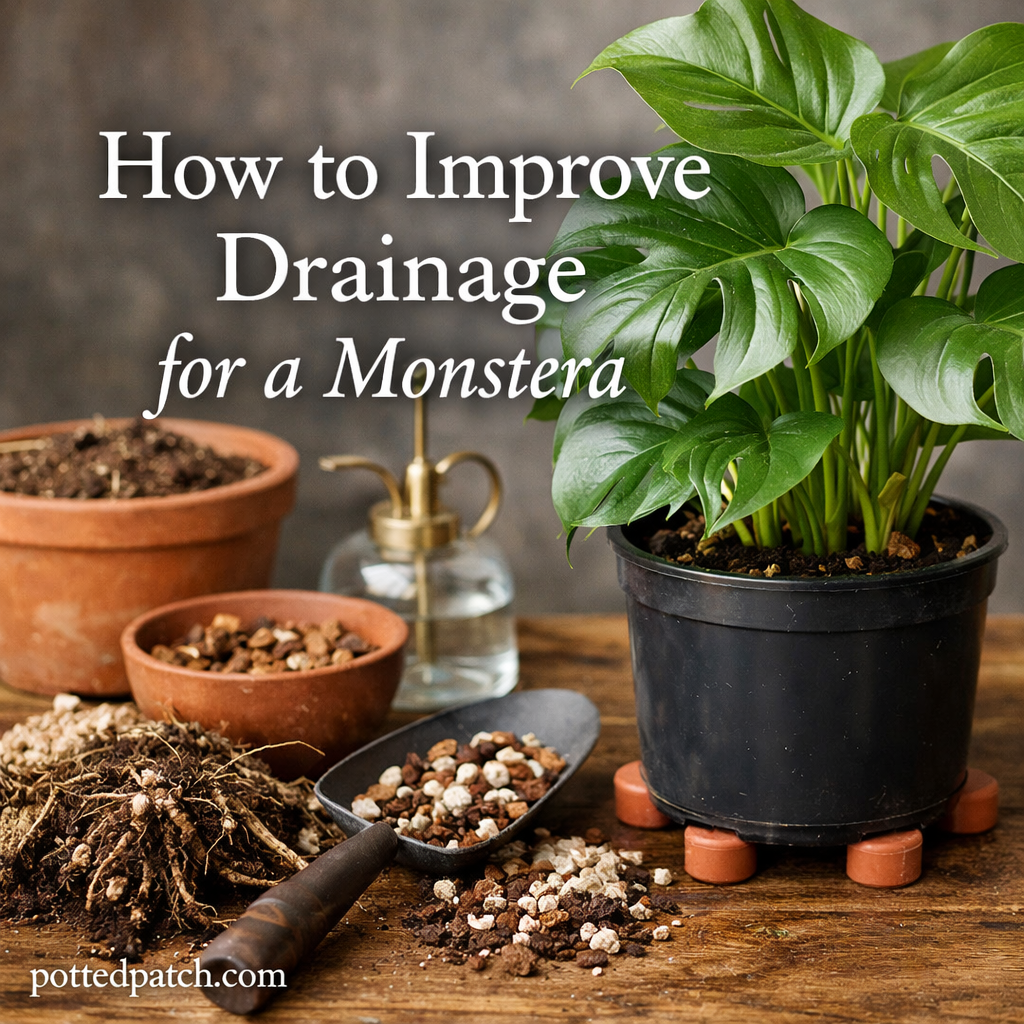
A good Monstera mix should feel light, airy, and chunky. Common ingredients include:
- Potting soil (base)
- Perlite or pumice (improves airflow)
- Orchid bark or pine bark (creates structure)
- Coco coir or peat moss (retains balanced moisture)
Simple DIY Monstera Soil Recipe
Use this easy mix:
- 2 parts potting soil
- 1 part perlite
- 1 part orchid bark
Mix thoroughly before planting to prevent compacted pockets.
Avoid These Drainage Myths
Skip Gravel at the Bottom
Adding rocks or gravel at the bottom of the pot does not improve drainage. It actually raises the water table and can make roots sit in moisture longer.
Focus on improving the soil and using drainage holes instead.
Don’t Pack the Soil Down
Compacting soil reduces airflow.
When potting:
- Gently fill around the roots
- Tap the pot lightly to settle soil
- Never press hard with your hands
Loose soil drains faster and supports healthier roots.
Improve Drainage Without Repotting
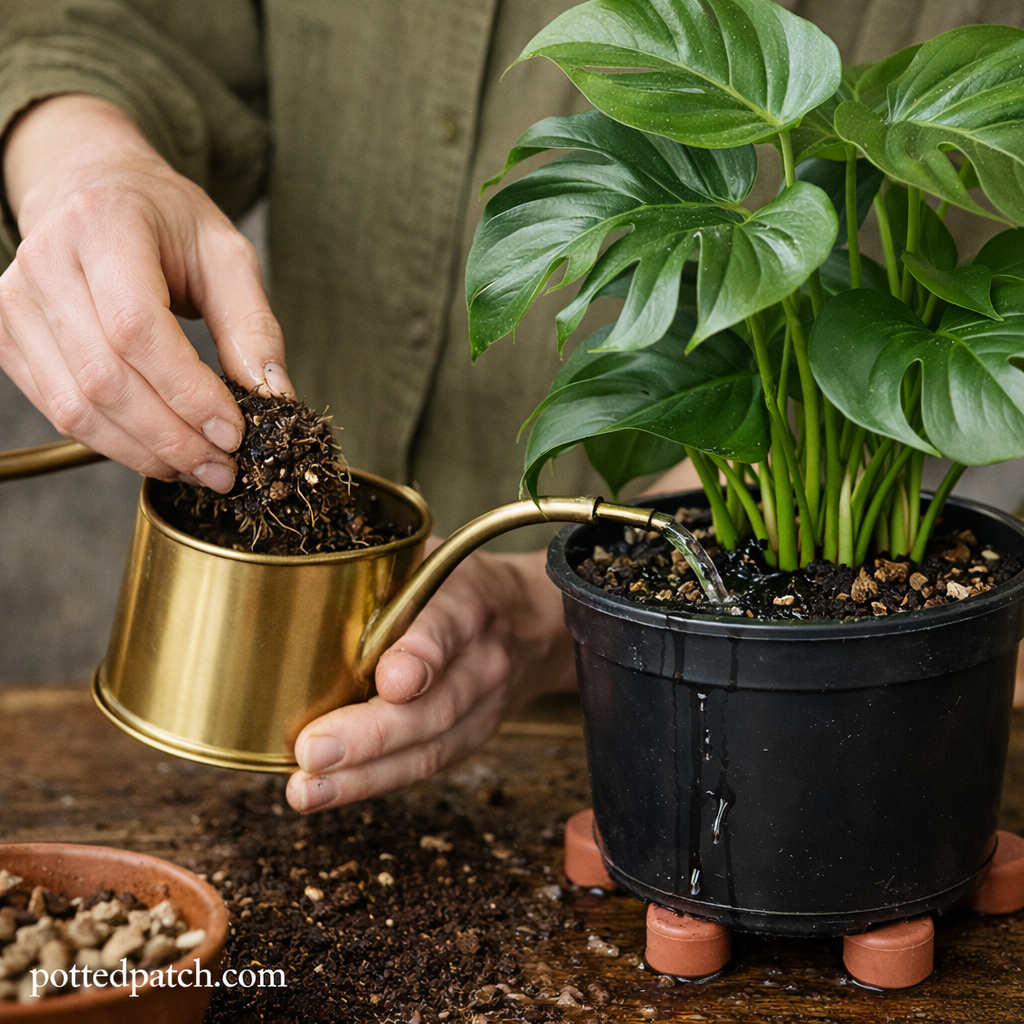
If you can’t repot right now, there are still ways to help.
Aerate the Soil
Use a chopstick, skewer, or plant stake to gently poke holes down into the soil.
This helps:
- Release trapped moisture
- Improve airflow
- Break up compacted areas
Be careful not to damage major roots.
Adjust Your Watering Technique
Poor drainage is often made worse by watering habits.
Try this instead:
- Water slowly and evenly
- Let excess water drain fully
- Empty the saucer after 10–15 minutes
- Water only when the top 2 inches of soil are dry
Less frequent, deeper watering is better than small daily amounts.
Elevate the Pot for Better Drainage
If your pot sits flat on a saucer, water may not drain freely.
Solutions include:
- Using pot feet or risers
- Adding a layer of pebbles under the pot (outside the soil)
- Placing the pot on a raised plant stand
This allows gravity to do its job.
Check Root Health During Repotting
If you’re repotting to fix drainage, inspect the roots.
Healthy roots are:
- Firm
- White or light tan
- Slightly flexible
Trim away any roots that are:
- Black or brown
- Mushy or hollow
- Foul-smelling
Use clean scissors and repot into fresh, well-draining soil.
Match Drainage to Your Environment
Drainage needs change based on conditions in your home.
High Humidity or Low Light
- Soil dries slower
- Drainage is even more important
- Water less frequently
Bright Light and Warm Rooms
- Soil dries faster
- Slightly more moisture retention is okay
- Still avoid dense soil
Always adjust based on how fast your soil dries—not a fixed schedule.
Common Drainage Mistakes to Avoid
- Using garden soil indoors
- Letting pots sit in standing water
- Repotting into a much larger container
- Ignoring compacted or crusted soil
- Watering on a strict schedule instead of checking soil
Avoiding these alone can dramatically improve plant health.
How Long Before You See Improvement?
Once drainage is improved:
- New growth should appear healthier within 2–4 weeks
- Yellowing should slow or stop
- Soil should dry more evenly
- Leaves should look firmer and more upright
Existing damaged leaves won’t recover, but new growth is the best indicator of success.
Final Thoughts
Improving drainage for a Monstera is one of the most impactful changes you can make for long-term health. With the right pot, a chunky soil mix, and mindful watering, most drainage problems are completely fixable.
If your Monstera has been struggling despite regular care, drainage—not fertilizer or light—is often the missing piece. Get that right, and everything else becomes easier. 🌿