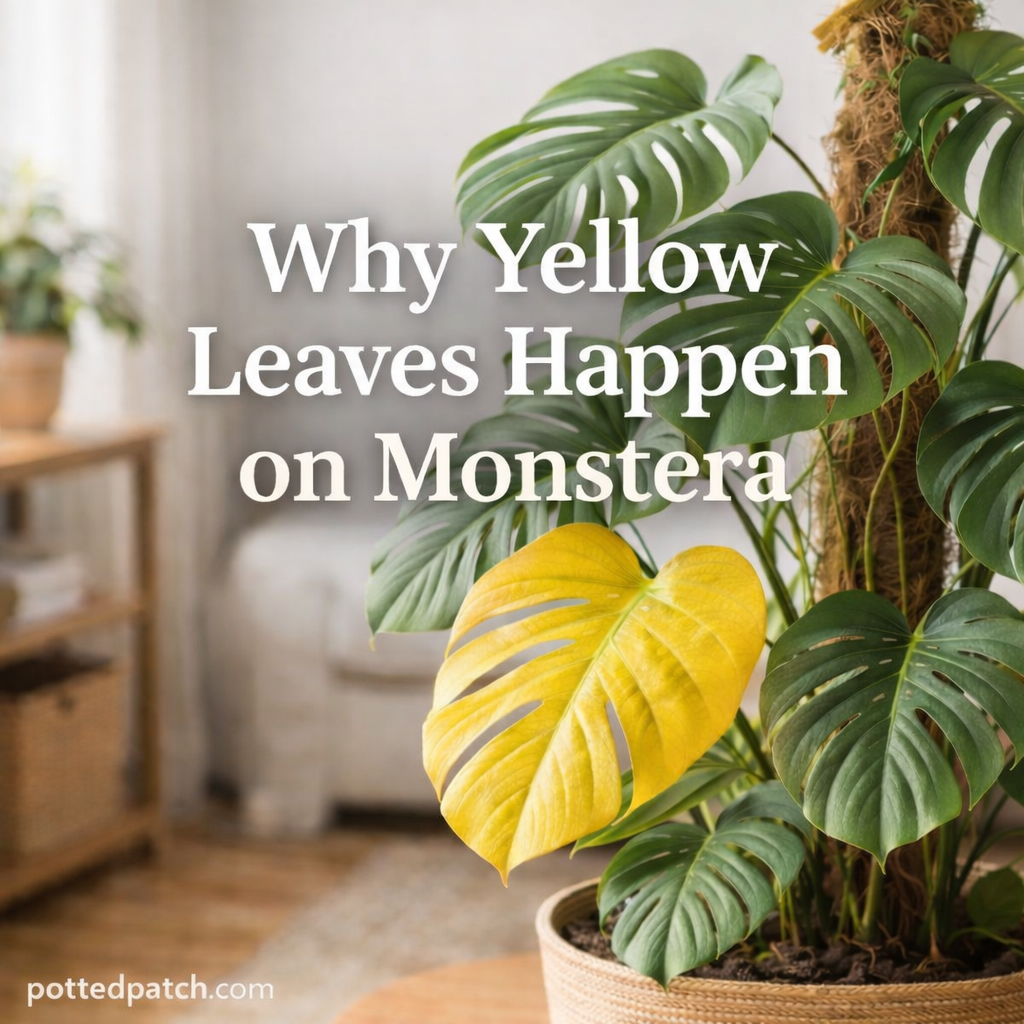
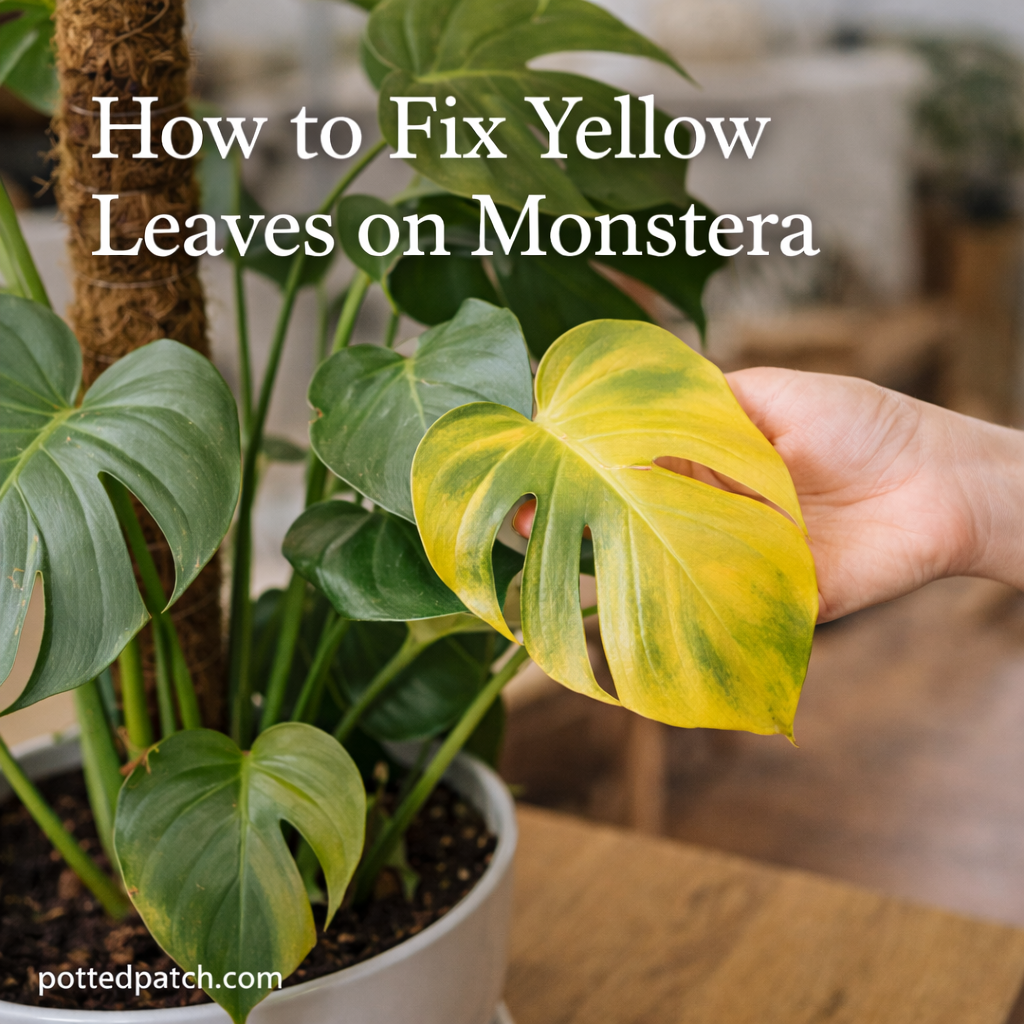
Yellow leaves on a Monstera are one of the most common (and frustrating) plant care issues. The good news? Your plant is usually trying to tell you exactly what’s wrong. With a few adjustments, most yellowing problems can be corrected before they cause long-term damage.
This guide explains why Monstera leaves turn yellow, how to identify the cause, and what to do to restore healthy green growth.
Why Monstera Leaves Turn Yellow
Yellow leaves are a stress response. They usually appear when something in the plant’s environment is off balance.
The most common causes include:
- Overwatering
- Poor drainage
- Underwatering
- Low light
- Nutrient deficiencies
- Temperature stress
Pinpointing the cause is key to fixing the issue properly.
Overwatering (Most Common Cause)
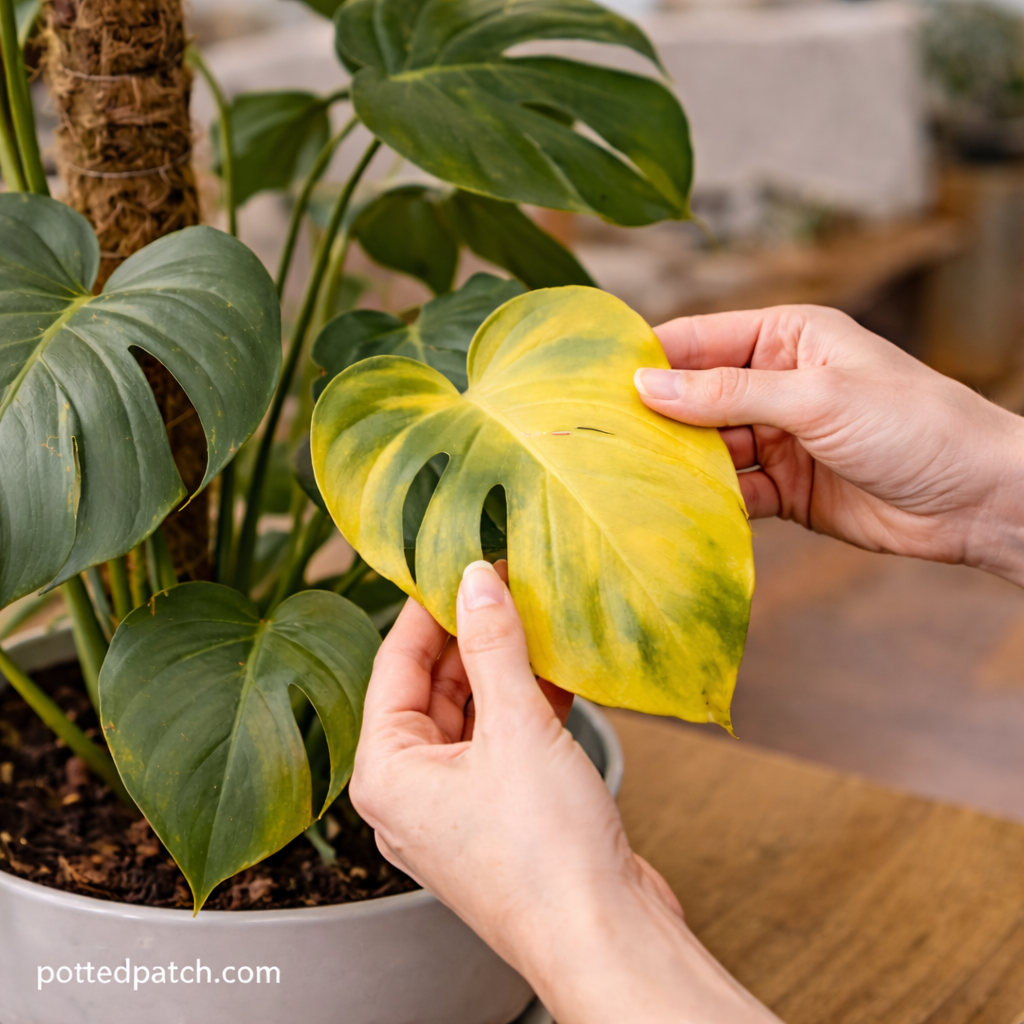
Overwatering is the number one reason Monstera leaves turn yellow.
Signs overwatering is the problem:
- Multiple yellow leaves appearing at once
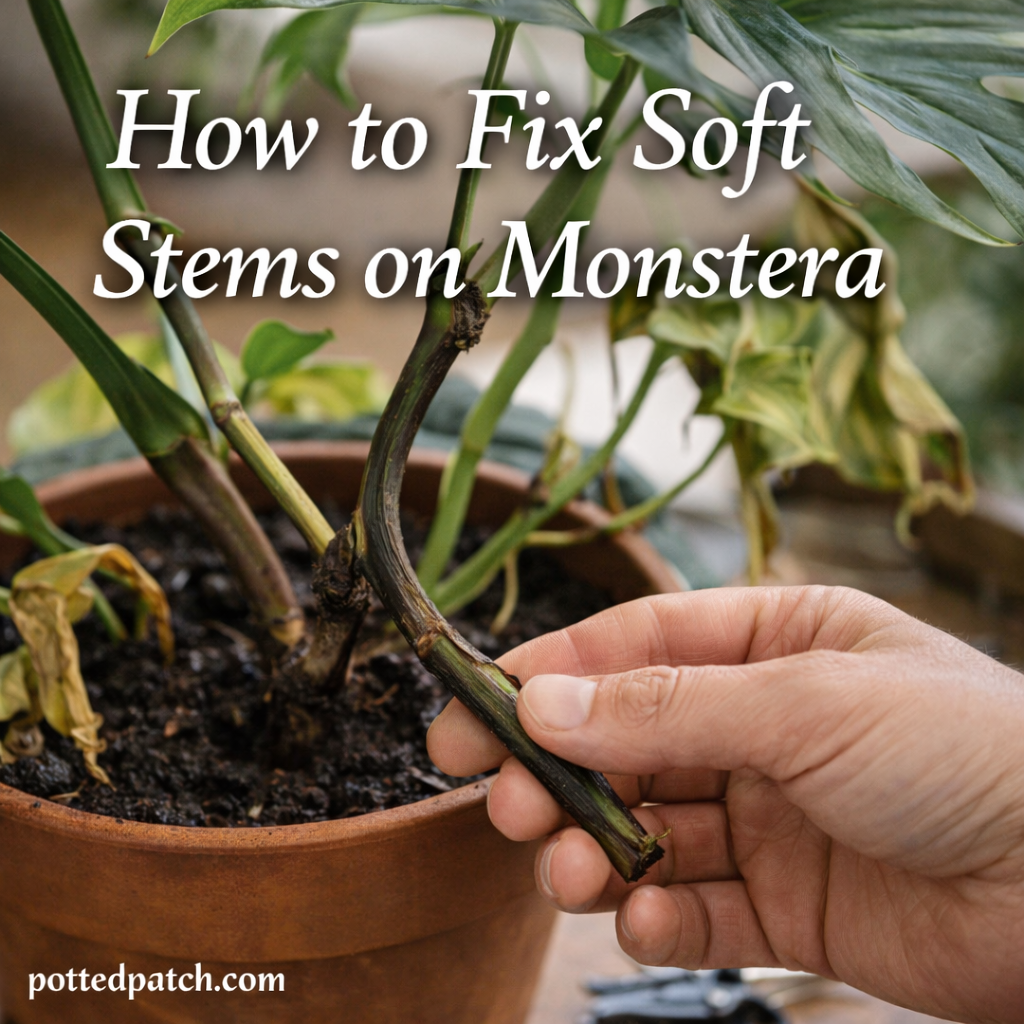
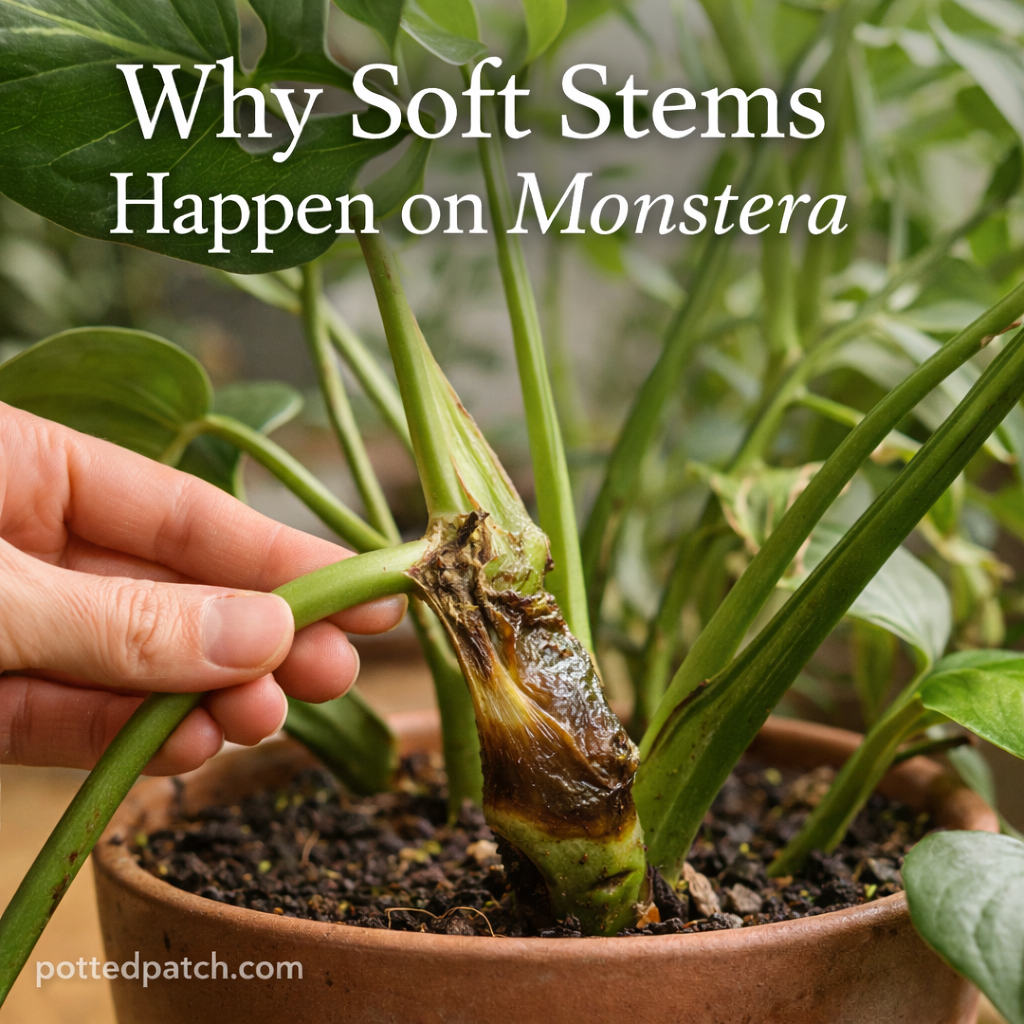
- Soft or mushy stems
- Consistently wet soil
- Yellowing starting on older, lower leaves
How to Fix It
- Stop watering until the top 2–3 inches of soil are dry
- Empty saucers after watering
- Make sure the pot has drainage holes
- Switch to a well-draining soil mix if needed
If root rot is suspected, repot immediately and trim away damaged roots.
Poor Drainage or Wrong Pot
Even if you’re watering correctly, poor drainage can trap moisture in the soil.
Signs drainage is the issue:
- Water sitting in the pot after watering
- Soil staying wet for many days
- Yellow leaves combined with slow growth
How to Fix It
- Use pots with at least one drainage hole
- Avoid decorative pots without inner nursery pots
- Add perlite or bark to improve airflow in the soil
Good drainage is just as important as proper watering frequency.
Underwatering
While less common than overwatering, underwatering can also cause yellow leaves.
Signs underwatering is the issue:
- Yellow leaves with dry, crispy edges
- Drooping or curling leaves
- Soil pulling away from the pot edges
How to Fix It
- Water thoroughly until excess drains out
- Resume a consistent watering routine
- Check soil moisture regularly instead of using a schedule
Monsteras prefer even moisture, not long dry spells followed by soaking.
Low Light Conditions
Monsteras need bright, indirect light to maintain healthy leaf color.
Signs low light is the issue:
- Yellowing combined with slow growth
- Small new leaves
- Lack of fenestrations (leaf splits)
How to Fix It
- Move the plant closer to a bright window
- Use sheer curtains to diffuse direct sun
- Rotate the plant occasionally for even light exposure
Avoid placing Monsteras in dark corners for extended periods.
Nutrient Deficiency
Yellow leaves can indicate a lack of essential nutrients, especially nitrogen.
Signs nutrient deficiency is the issue:
- Pale yellow leaves without mushiness
- Slow or stalled growth
- No improvement after watering adjustments
How to Fix It
- Feed with a balanced houseplant fertilizer
- Fertilize every 4–6 weeks during spring and summer
- Avoid fertilizing in winter
Too much fertilizer can also cause damage, so moderation matters.
Temperature and Draft Stress
Monsteras are sensitive to sudden temperature changes.
Signs temperature stress is the issue:
- Yellowing after moving the plant
- Leaves near vents turning yellow
- Drooping combined with yellow patches
How to Fix It
- Keep temperatures between 65°F and 85°F
- Avoid cold drafts, AC vents, and heaters
- Maintain consistent room conditions
Should You Remove Yellow Leaves?
Yes—once a leaf turns fully yellow, it won’t turn green again.
Best practice:
- Remove fully yellow leaves with clean scissors
- Cut at the base of the stem
- Leave partially yellow leaves until the issue is resolved
Pruning helps the plant redirect energy to healthy growth.
How Long Does It Take for a Monstera to Recover?
After fixing the underlying issue:
- New growth should appear healthy within a few weeks
- Existing yellow leaves will not recover
- Overall appearance improves gradually
Patience is important—Monsteras recover steadily, not instantly.
Preventing Yellow Leaves in the Future
To keep your Monstera healthy long-term:
- Check soil moisture before watering
- Use well-draining soil and pots
- Provide bright, indirect light
- Fertilize lightly during the growing season
- Maintain stable temperature and humidity
Consistent care prevents most yellowing issues before they start.
Final Thoughts
Yellow leaves on a Monstera aren’t a failure—they’re feedback. By observing patterns and adjusting water, light, and drainage, you can quickly bring your plant back to health.
Once conditions are balanced, Monsteras are resilient plants that reward attentive care with bold, vibrant leaves and steady growth. 🌿